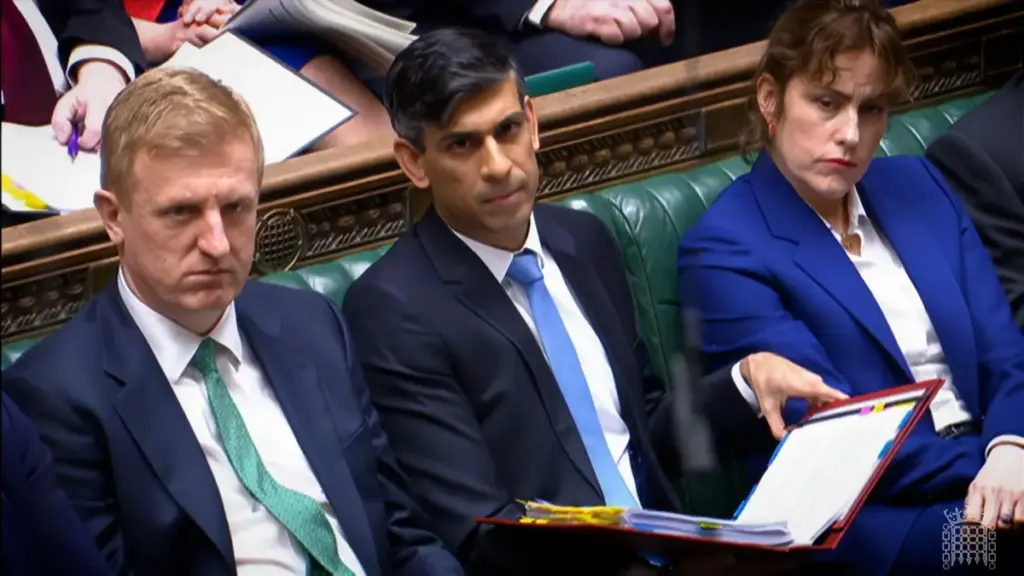
The most severe rebuke came from Labour MP Tahir Ali, who confronted the Prime Minister in the House of Commons over the mounting death toll in Gaza. In a blunt and emotionally charged intervention, Ali challenged Sunak directly from the floor of the chamber, asking, "Is it not time for the Prime Minister to admit that he has the blood of thousands of innocent people on his hands?"
Ali’s remarks reflected a deep and widening anger among various parliamentarians and constituents across the United Kingdom regarding the scale of destruction and loss of civilian life resulting from the military campaign. The questioning underscored the mounting pressure facing Westminster politicians as international humanitarian organizations continue to report catastrophic conditions on the ground in Gaza, where hospitals, housing infrastructure, and basic supply lines have been severely compromised or destroyed.
The interrogation extended beyond the initial exchange, drawing in other cross-party MPs who demanded concrete accountability from the British government regarding its policy positions. SNP MP Anum Qaisar pressed the Prime Minister on the humanitarian emergency unfolding inside the territory, specifically highlighting the acute shortages of food, clean water, and medical supplies. "The Israeli government has the power to end this starvation crisis—does it not, Prime Minister?" Qaisar asked, attempting to pin down the government on whether it holds Israel directly responsible for blocking or restricting essential aid delivery into the enclave.
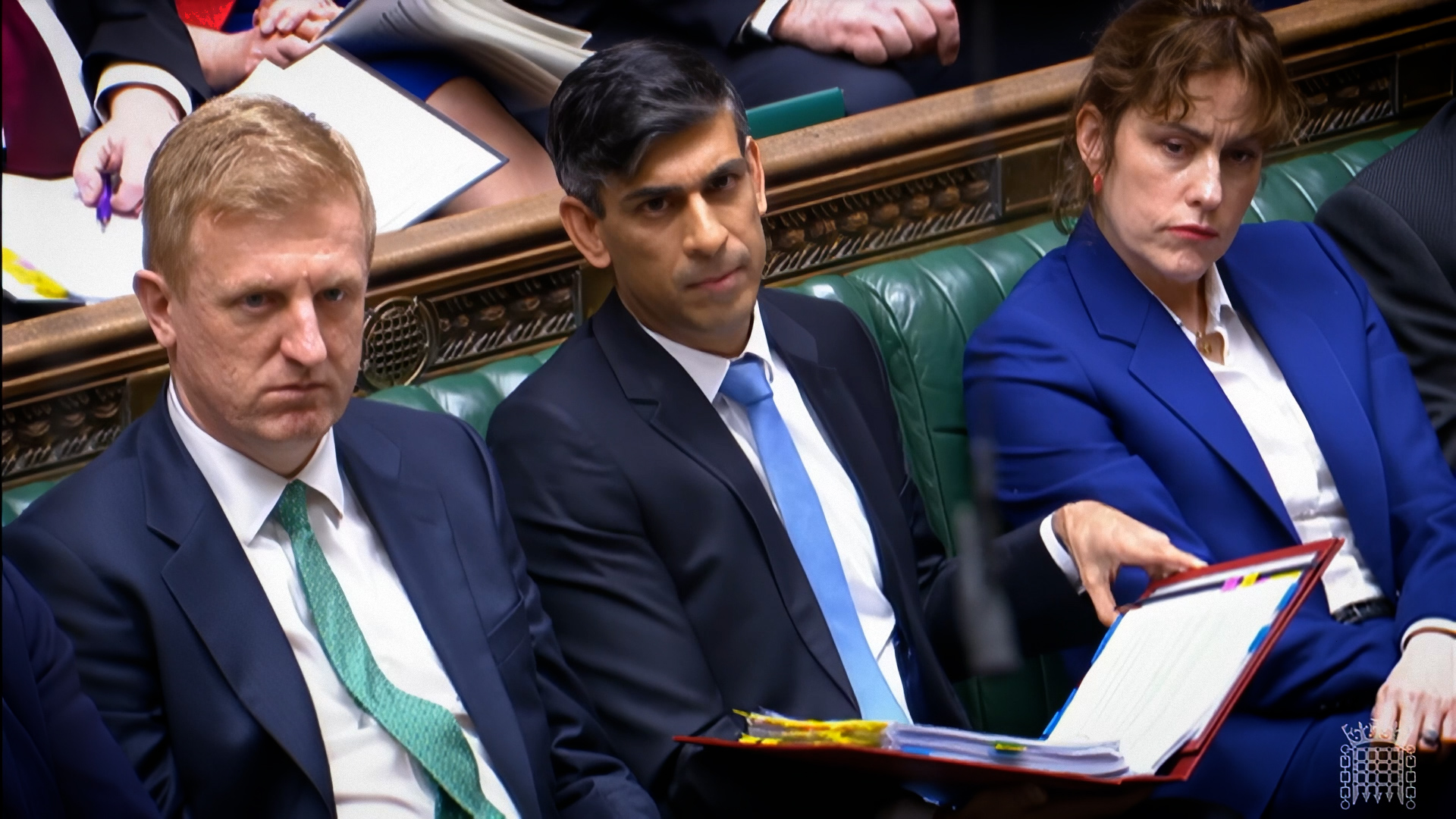
However, rather than providing a direct answer to Qaisar’s specific query about the starvation crisis and the responsibilities of the Israeli government, Sunak responded by appearing to address a different set of talking points, prompting frustration among opposition benches who accused the government of evasiveness during a critical humanitarian emergency.
The tension in the chamber reached another peak when SNP Westminster Leader Stephen Flynn took to the dispatch box to question the Prime Minister about a specific, highly publicized incident broadcast just the night before. Flynn referenced a chilling report by ITV News that captured footage of the fatal shooting of an unarmed Palestinian man who was walking slowly under a white flag in an apparent attempt to signal non-combatant status and safe passage.
Flynn asked the Prime Minister a direct and unequivocal question: did the fatal shooting of an unarmed civilian walking under a white flag constitute a war crime under international law?
In response, Sunak avoided giving a definitive legal categorization of the incident. Instead, the Prime Minister stated that he had "made the point" to Israeli officials in diplomatic communications that international humanitarian law should be respected and that civilian protection must remain a priority during military operations.

Dissatisfied with the Prime Minister’s sidestepping of the core legal question, Flynn rose for a follow-up intervention to register his dismay at the executive’s unwillingness to call out what many international observers and human rights advocates have termed an egregious violation of the laws of war.
Addressing House of Commons Speaker Sir Lindsay Hoyle, Flynn delivered a sharp critique of the Prime Minister’s response, stating, "Mr Speaker, I don’t think it’s unreasonable to expect the Prime Minister of the UK to rise to that dispatch box and tell the people of these isles—that shooting an unarmed man under a white flag is a war crime."
The sharp back-and-forth during Wednesday’s session highlights the intense domestic political friction in the United Kingdom over the Gaza conflict. While the government has consistently maintained that Israel has a right to defend itself following the October 7 attacks, it has faced mounting legal, ethical, and political scrutiny from opposition politicians, human rights organizations, and large segments of the British public. Critics argue that Westminster’s diplomatic shield and military exports policy effectively amount to complicity in an unfolding humanitarian catastrophe, while ministers continue to insist behind closed doors that they are urging restraint and adherence to international legal frameworks.