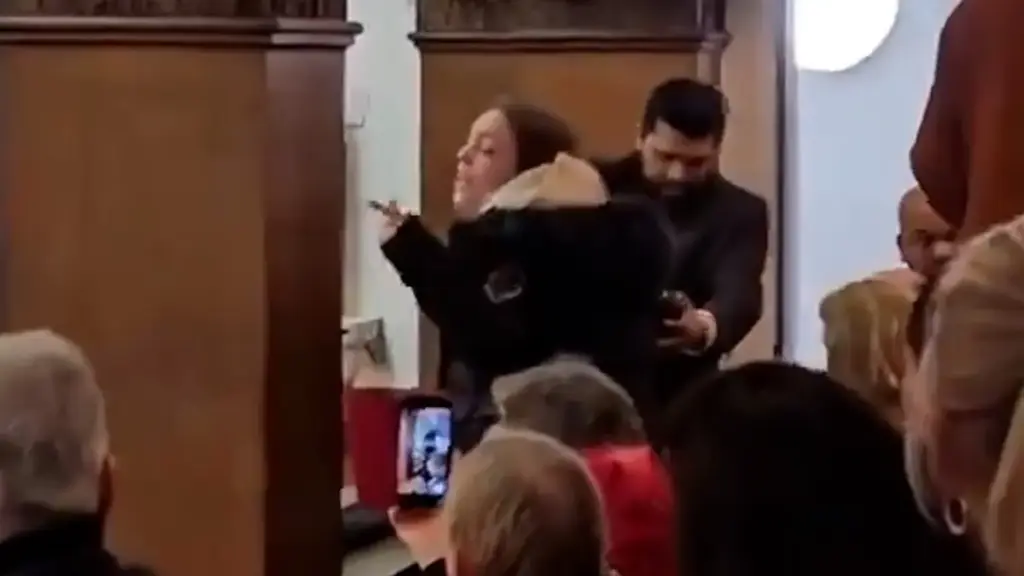
LONDON — A routine municipal gathering in the British capital turned turbulent on Monday evening as angry residents and demonstrators disrupted a Labour-run Camden Council meeting to voice their vehement opposition to the national Labour Party’s policies regarding the ongoing conflict in Gaza.
The demonstration, which quickly drew the attention of local authorities and attendees alike, centered on widespread public fury over the devastation unfolding in the Middle East and the perceived complicity of British political leadership. Footage circulating from the chamber captured the raw emotion of the disruption, with protesters directing their anger squarely at the British government, local representatives, and national party leadership.
"Mosques bombed. Schools bombed. Doctors murdered with my tax money!" shouted one demonstrator during the heated exchange, encapsulating the deep sense of moral outrage and frustration felt by many constituents over the UK’s financial and diplomatic positioning amid the hostilities.
According to participants and observers at the scene, the disruption at the Camden Council chamber underscored a rapidly widening chasm between local grassroots communities and the national leadership of the Labour Party. At the heart of the backlash is the political stance maintained by Labour leader Keir Starmer and the broader party apparatus regarding Israel’s military campaign in the Gaza Strip, which has resulted in a staggering loss of civilian life, widespread displacement, and the near-total destruction of critical infrastructure for a population of over two million people.

Protesters who gathered at the council meeting on Monday argued that statements from national party figures attempting to justify or excuse Israel’s campaign of collective punishment against the inhabitants of Gaza are morally indefensible. Furthermore, the demonstrators expressed deep exasperation over the Labour leadership’s persistent refusals to join international and humanitarian appeals calling for an immediate and permanent ceasefire.
For months, the humanitarian crisis in Gaza has weighed heavily on the political consciousness of communities across the United Kingdom, particularly within diverse urban centers like the London Borough of Camden. Local councils, while primarily responsible for municipal services such as housing, waste collection, and social care, have increasingly found themselves on the frontline of public demonstrations as constituents use every available civic platform to demand accountability on foreign policy matters that they feel directly implicate their local representatives and institutions.
The fallout from the national party’s approach to the conflict is not merely a matter of local civic friction, however. Organizers and community members at Monday’s protest warned that the political cost of the leadership’s current trajectory will be severe. They asserted that the refusal to advocate forcefully for Palestinian rights and an end to the bloodshed will inevitably alienate core blocks of voters, costing the party dearly at the ballot box during the next general election.
As public pressure mounts on politicians at all levels of government, the incident at Camden Council highlights the profound domestic political reverberations of international conflicts. With community members continuing to demand accountability from elected officials regardless of their municipal jurisdiction, local government meetings across the country have transformed into high-stakes arenas for civic dissent, reflecting a restless electorate determined to make their voices heard on the national and international stage.