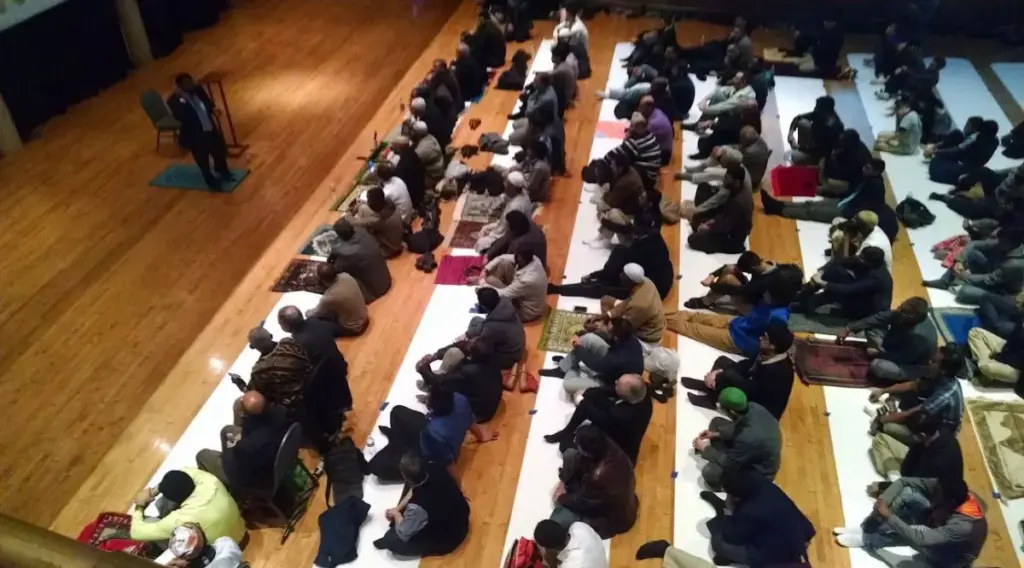
For millions of Muslims around the world, attending the Friday congregational prayer—known as Jumu’ah—is a deeply ingrained weekly routine. For many, it functions as a familiar tradition, a scheduled pause in the middle of a busy workweek to fulfill a religious obligation, meet members of the community, and listen to the weekly sermon delivered from the pulpit. However, religious scholars and community leaders frequently remind worshippers that routine can sometimes overshadow the deeper spiritual purpose behind the ritual. Moving beyond mere habit requires a conscious shift in mindset, transforming a standard weekly obligation into a profound spiritual reset.
Central to this transformation is the concept of intention, or niyah. Like all acts of worship in Islam, a sincere and deliberate intention serves as a fundamental precondition for the validity and spiritual impact of the Jumu’ah prayer. Without this conscious alignment of heart and mind, physical attendance risks becoming an empty mechanical exercise rather than a transformative act of devotion. To truly reap the fruits of Jumu’ah, worshippers are encouraged to arrive not just with their bodies, but with total attentiveness and focused presence, preparing their hearts well before the first call to prayer echoes through the mosque.
The spiritual significance of the Friday gathering is underscored by numerous traditions of the Prophet Muhammad. In an authentic narration recorded by Imam At-Tirmidhi, the Prophet emphasized the immense mercy and cleansing nature of these regular acts of worship. He stated, “The five prayers, and Al-Jumu’ah to Al-Jumu’ah are atonement for what is between them, as long as the major sins have not been committed.” This profound promise highlights Friday not merely as a weekly meeting, but as a spiritual milestone designed to wipe away minor shortcomings and offer believers a fresh start on a weekly basis. Yet, religious educators point out that unlocking this full potential requires active engagement, particularly during the delivery of the Friday sermon, or khutbah.

Mistakes During Friday Sermon
Despite the weekly repetition of the Friday service, attendees often fall into behavioral and mental traps that diminish the value of the experience. These missteps can range from arriving late and disrupting those already in deep contemplation, to engaging in casual conversation while the imam is delivering the sermon, or failing to maintain the mental focus required to absorb the religious message being shared. Understanding these common pitfalls is essential for anyone hoping to walk away from the mosque with a renewed sense of faith and purpose.
To address these recurring issues and help community members optimize their weekly worship, educational platforms have increasingly utilized digital media to provide concise, accessible guidance. A short and informative video produced and distributed by the OnePath Network delves directly into this topic, outlining the frequent errors made during the Friday sermon and offering practical insights on how to correct them. By highlighting what to avoid—such as distractions, poor etiquette, and mental detachment—the resource aims to help viewers guarantee they fully benefit from the blessings associated with this sacred prayer.
The video serves as a timely reminder that the Friday sermon is not background noise to be tolerated until the formal prayer begins, but an integral part of the Jumu’ah experience that demands respect, silence, and active listening. As communities continue to seek ways to deepen their religious engagement in an increasingly distracted world, media resources from organizations like OnePath provide valuable educational support for individuals striving to improve the quality of their daily and weekly worship.