By Aditya Sharma
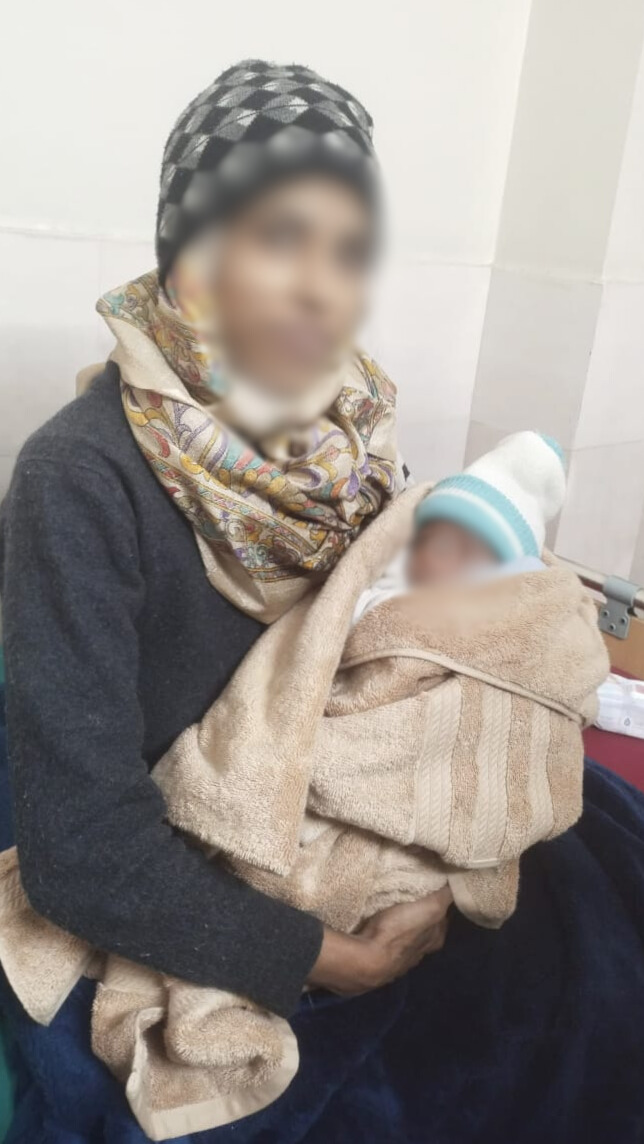
New Delhi: When 33-year-old Khushboo Jaiswal walked into a private hospital in Delhi, she was expecting a calm and natural childbirth filled with gentle pushes and the natural rhythm of labor. Instead, within a matter of hours, she found herself lying under the harsh, glaring lights of an operating table, stripped of her birth plan and subjected to a surgical procedure she never anticipated.
"I was admitted to a hospital in Burari, Central Delhi, when my water broke at home. The doctor said my labor was taking too long, and normal delivery will not be possible. And therefore, they will conduct a cesarean section (C-section). My family agreed. Before I knew it, I was in the operation theatre," she recounted, reflecting the helpless disorientation felt by countless mothers across the country.
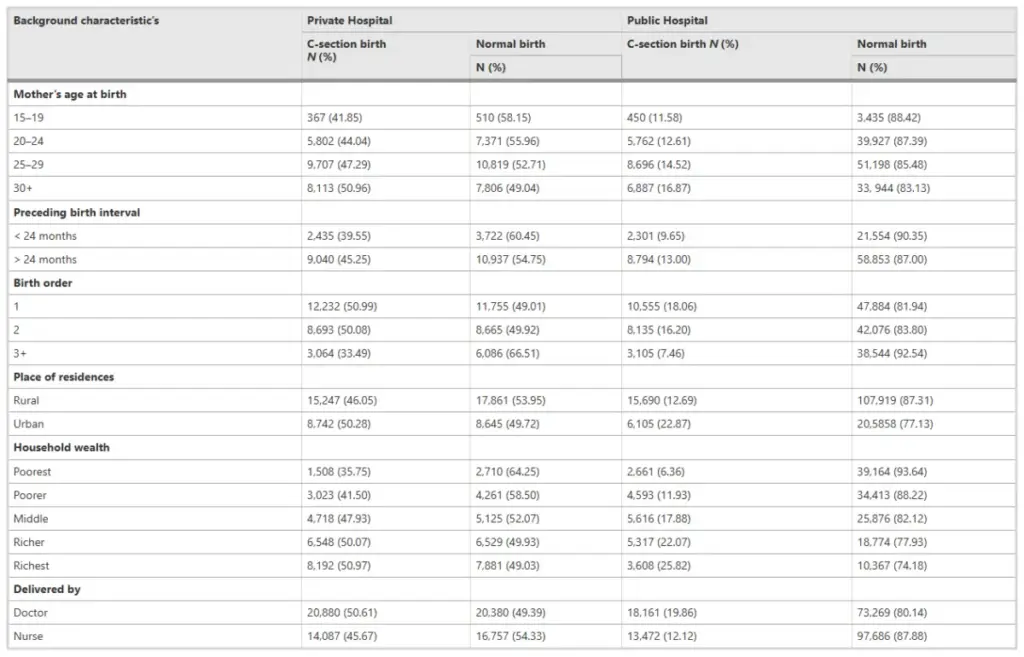
Her experience is no longer an isolated medical anomaly; it has become an increasingly common narrative across India’s rapidly expanding healthcare landscape. According to the National Family Health Survey-5 (2019–21), nearly half of all births in private hospitals—approximately 48 percent—happen through C-section. That number stands at 14.3 percent in government hospitals, which is already notably higher than the World Health Organisation’s globally recognized guideline of 10 to 15 percent.
Khushboo and many other mothers assert that the push toward surgery is rarely driven purely by clinical emergency. Rather, they allege, it is fueled by psychological pressure and commercial expediency.
"Nurses and doctors scare you in such a way that they would say something that would make you nervous and try to persuade you for a caesarean since it is a quick 50-60 minutes process and is expensive; whereas, normal delivery takes 4-6 hours and cheaper than caesarean. I feel they just want to make money and so they prefer only caesarean. Even one of my relatives also went through the same situation," she alleged.
This systemic shift has not gone unnoticed by medical veterans. Dr. (Prof.) Sadhana Kala, a senior obstetrician and gynaecologist, has observed this transition unfold over decades of clinical practice.
"A large part of the problem stems from profit-driven incentives. Hospitals and doctors often earn more from surgical deliveries than from normal births," she said, adding that there is also a troubling shift in medical culture. "Many obstetricians today prefer surgical interventions over waiting through prolonged labor."
Childbirth across the country is increasingly being influenced by income, place of residence, and access to modern medical infrastructure. India’s overall caesarean birth rate has climbed steadily over the past decade. The latest data from the NFHS-5 reveals that 22 percent of all births in the country are now conducted through surgery, up significantly from 17 percent just five years prior.
The steepest rise is overwhelmingly concentrated in private hospitals, where almost one in two babies is delivered surgically, while government-run facilities record far fewer such interventions. While medical professionals universally agree that C-sections are lifesaving, indispensable procedures in complicated pregnancies, the aggregate data strongly indicates that a vast number of these surgeries are performed even when they are entirely medically unnecessary.
The demographic divide is stark. Roughly one in three births in urban centers happens through surgery, compared to about one in five in rural areas. Wealthier women are statistically five times more likely to undergo a C-section than those hailing from poorer socioeconomic backgrounds. Furthermore, maternal education plays a defining role in this trend; women with higher levels of formal schooling undergo more surgical births than those with little or no education.
This geographical pattern also varies wildly across the country, highlighting deep disparities in regional healthcare practices. Southern states such as Telangana, where the rate hits an astonishing 60.7 percent, and Tamil Nadu at 44.9 percent, record the highest rates of surgical deliveries in the nation. Conversely, states like Bihar at 9.7 percent and Nagaland at 5.7 percent remain among the lowest.
Once a profoundly natural biological process, childbirth in modern India now clearly mirrors the underlying dynamics of class, geographic location, and financial access, with surgical births becoming the default standard among those who can comfortably afford private healthcare.
Shabnam, a 29-year-old mother from a Delhi suburb, shared a strikingly similar ordeal. While she was in the throes of labor, medical staff informed her that her baby’s heartbeat had begun to slow down, plunging her into immediate panic.
"There was no real discussion, and I was really scared for my baby. I was taken straight into surgery. I was pressurised by nurses or scared, I would say, it was a difficult situation for me," she recalled.
Addressing these widespread concerns, Dr. Sunita Tandulwadkar, president of the Federation of Obstetric and Gynaecological Societies of India (FOGSI), emphasized that the nationwide rise in C-sections must be viewed through a comprehensive context.
"According to data from national health surveys and institutional reports, the overall rate has increased in both public and private sectors, although the proportion remains higher in private facilities. It is important to recognise that this trend is multifactorial and reflects evolving clinical, demographic and social realities rather than a single cause," she noted.
According to Dr. Tandulwadkar, a major contributing factor to the rising numbers is the growing pool of women who have had a previous caesarean delivery. For these mothers, repeat procedures are frequently necessitated by valid medical and safety considerations. She also pointed out that patient expectations are shifting dramatically.
"Many women, especially in metropolitan areas, now prefer planned deliveries to avoid prolonged labor or emergency situations. Such preferences must be balanced with sound clinical judgment," she said, adding that her primary focus remains on medical justification and informed decision-making. "Every C-section must be based on evidence, with proper counselling and auditing. The goal is safe motherhood, ensuring that every woman receives the right mode of delivery for her specific condition."
The Hidden Costs for Mothers and Babies
While a necessary C-section saves lives, unnecessary surgeries expose both mothers and infants to significant medical and emotional risks. Women subjected to surgical births often face prolonged recovery times, higher risks of postoperative infections, and severe complications in subsequent pregnancies.

The repercussions extend profoundly to the newborns as well. A major 2024 study published in BMC Pediatrics, which examined more than 200,000 Indian births, found that babies delivered through C-sections were markedly more likely to suffer from malnutrition, stunting, and neonatal mortality compared to those born via traditional vaginal delivery.
The researchers concluded that "non-medically indicated caesarean births" were directly linked to poorer child health outcomes and a widening landscape of nutritional inequality. Public health specialists have long warned that the proliferation of unnecessary surgical births compromises not only women’s bodily autonomy and choices, but also the long-term developmental health of their children.
Recalling the swiftness with which her operation was mandated, Shabnam noted, "The doctor said my baby’s heartbeat was slowing. I did not know what questions to ask."
On the clinical front, Dr. Kala underscored that surgical births can impact newborns in multiple adverse ways. "We are seeing babies born through surgery having more breathing difficulties immediately after birth, and in the long run, higher risks of obesity, allergies, asthma and weakened immune development. There are also occasional cases of accidental surgical cuts during delivery," she warned.
Dr. Kala emphasized that systemic reform is desperately needed to curb the trend. "We must end financial incentives for C-sections and instead reward normal deliveries. Educating mothers to trust the natural process, allowing labour to progress and offering midwife-led care can all help. The goal should be safety, not speed or profit," she asserted.
Policy and Practice
Regulatory oversight in India has historically struggled to keep pace with the commercialization of maternity care. In 2018, the Madras High Court ordered the Health Ministry to investigate unnecessary caesareans in Tamil Nadu after reports exposed alarmingly high rates in the state. While official advisories were subsequently issued to hospitals, they lacked teeth, and no stringent enforcement followed. To this day, private hospitals are not legally required to formally justify why a specific surgical intervention was performed.
The relentless rise of C-sections in private medical establishments continues to reflect the pervasive influence of commercial motives, a glaring absence of strict regulatory frameworks, and shifting cultural perceptions within urban healthcare ecosystems. As India continues to urbanize and the private healthcare sector expands aggressively, these numbers threaten to climb even higher unless federal and state governments, hospital administrations, and local communities act decisively together.
Medical experts maintain that childbirth should always rest on verified medical necessity, genuine informed consent, and profound respect for women’s bodily decisions. For new mothers like Khushboo Jaiswal and Shabnam, that remains the enduring hope: to bring new life into the world without manufactured fear or commercial pressure, and to have their voices heard when it matters most.