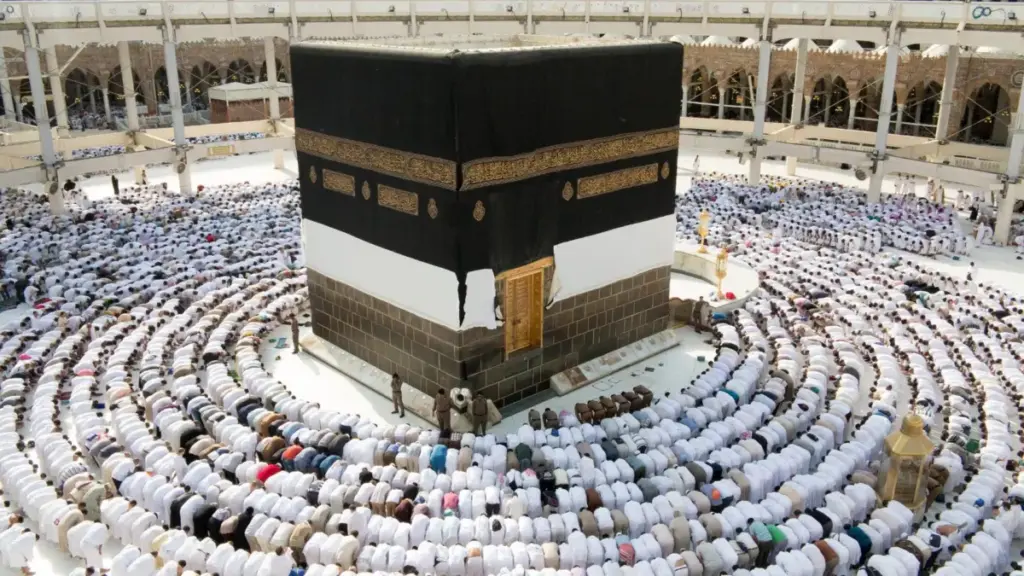
As the sacred season of Hajj draws near, millions of Muslims around the world are deep in preparation for what is widely considered the spiritual zenith of a believer’s life. While many pilgrims are meticulously organizing their travel logistics and packing essentials, others have already begun their physical journeys, setting out toward the holy city of Makkah in the Kingdom of Saudi Arabia.
This annual migration is far more than a physical trip; it is a profound spiritual response to a divine call. Pilgrims are answering an invitation issued centuries ago by Prophet Ibrahim and later renewed by Prophet Muhammad, peace and blessings be upon both of them. For those who undertake it, the pilgrimage represents a once-in-a-lifetime opportunity to stand in the footsteps of the prophets, seek divine forgiveness, and unite with a global community of faith.
Yet, beyond the rituals of circumambulating the Kaaba, walking between the hills of Safa and Marwah, and gathering on the plains of Arafat, lies a deeper question that many ponder as the season approaches: Why is Hajj truly so fundamental to the Islamic faith?
To understand the immense weight, beauty, and spiritual rank Muslims attach to this journey, one must look closely at the traditions and sayings—known as Hadiths—of Prophet Muhammad. These recorded statements provide a window into how Islam views the pilgrimage, framing it not merely as a travel itinerary, but as an indispensable cornerstone of religious life and a supreme act of devotion.
A Pillar of Islam
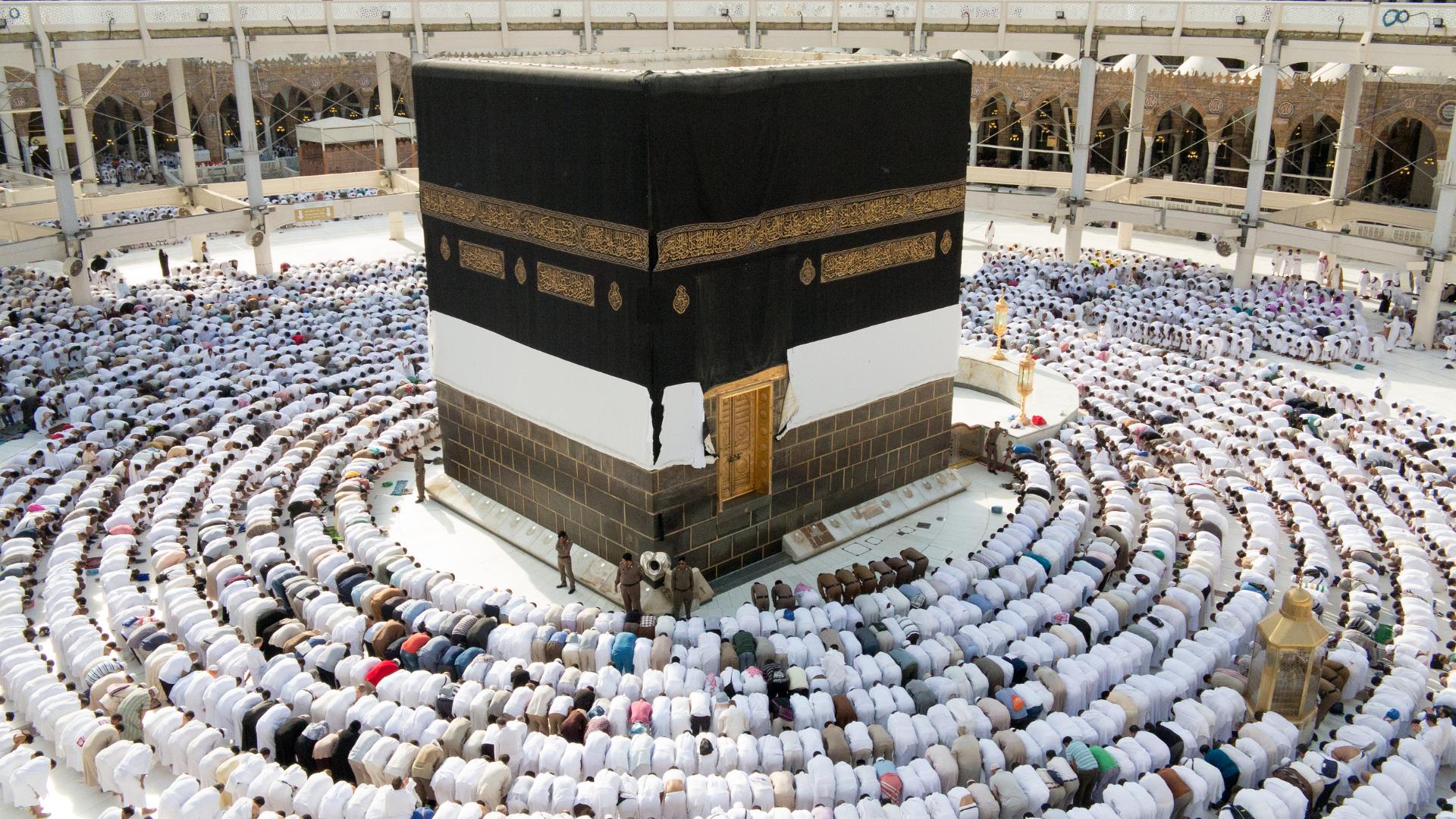
Within the diverse tapestry of Islamic rituals, acts of worship, and ethical codes, Hajj occupies a central and non-negotiable position. It is not an optional recommendation for the spiritually ambitious, but rather a foundational obligation for those who are physically and financially able to undertake it.
The structural importance of the pilgrimage is perhaps most clearly articulated in a well-documented tradition narrated by Abdullah ibnUmar, who reported that the Prophet Muhammad described the entire framework of the religion using a powerful architectural metaphor. According to the tradition, the Prophet stated that Islam has been built upon five fundamental pillars.
These pillars include testifying that there is no god but Allah and that Muhammad is His Messenger, establishing the daily ritual prayers, paying the mandatory charity known as zakah, fasting during the holy month of Ramadan, and making the pilgrimage to the House of Allah in Makkah. By grouping Hajj alongside the declaration of faith, daily prayers, fasting, and charity, Islamic theology places the journey on par with the most essential daily and annual expressions of a Muslim’s submission to God. It forms an integral part of the spiritual backbone that sustains a believer’s relationship with the Creator.
Once in a Lifetime
Despite the immense spiritual significance and high religious rank attached to Hajj, Islamic jurisprudence and the teachings of the Prophet emphasize ease, mercy, and realism regarding human capacity. Recognizing the physical demands, logistical hurdles, and financial sacrifices involved in traveling to Makkah, divine wisdom has prescribed the major pilgrimage only once in a lifetime for those who meet the criteria of capability.

This aspect of divine mercy is illustrated in a historical narrative involving Abu Hurairah, who recounted that the Prophet Muhammad once addressed the community, urging them to fulfill their obligation. The Prophet proclaimed that Allah had prescribed Hajj upon the people, instructing them to perform it.
Upon hearing this general command, a companion stepped forward and posed a practical question that would shape the legal understanding of the ritual for generations to come. He asked whether the pilgrimage was required every single year.
According to the accounts preserved by Muslim scholars, the Prophet remained silent initially. When the man repeated his inquiry three times, the Prophet responded with a caution rooted in divine foresight. He explained that had he answered in the affirmative, the pilgrimage would have automatically become a yearly obligation, a burden that would clearly exceed the physical and financial capacity of the community.
In the same address, the Prophet went on to advise his followers to focus on the clear directives given to them without overburdening themselves with excessive questioning or hypothetical scenarios. He noted that previous religious communities had suffered due to excessive questioning and disagreement with their prophets. Consequently, he established a practical guideline for religious practice: when commanded to do something, a believer should carry it out to the best of their ability, and when forbidden from something, they should avoid it entirely. This approach ensured that Hajj remained an attainable, highly anticipated spiritual milestone rather than an unmanageable annual burden.
A Special Rank and Value
Because the Companions of the Prophet were deeply invested in maximizing their spiritual growth, they frequently sought guidance on how to prioritize their good actions. They wanted to know which deeds held the highest value in the sight of God so they could focus their energies accordingly.
In another narration recorded by Abu Hurairah, a companion asked the Prophet Muhammad to identify the single best deed a believer could perform. The Prophet replied that the foremost deed is sincere belief in Allah and His Messenger.
When the questioner pressed further, asking what action ranked second in importance, the Prophet identified striving—known as jihad—in the cause of Allah. Driven to understand the full hierarchy of righteous acts, the companion asked what came next in the scale of virtue.
The Prophet’s response placed the pilgrimage in exceptionally high company. He stated that the third best deed is a Hajj mabroor—a pilgrimage that is accepted by Almighty Allah. By ranking an accepted Hajj immediately behind profound faith and striving in the path of God, these traditions solidify the journey’s status not just as a routine ritual, but as a transformative, highly rewarded act capable of elevating a believer’s spiritual standing before their Creator.