
Abu Zubaydah, a Guantanamo Bay prisoner who has been detained without trial for nearly two decades and subjected to brutal torture by the CIA, has secured a significant financial settlement and “substantial” compensation from the United Kingdom government.
The 54-year-old detainee brought a legal claim against the UK on the grounds that its intelligence services—specifically MI5 and MI6—were complicit in his torture during the chaotic early years of the United States’ post-9/11 "war on terror." According to legal representatives and investigative reporting, British intelligence agencies passed questions to the CIA to use during Abu Zubaydah’s intensive interrogations, doing so with full knowledge of the extreme mistreatment he was enduring.
Internal MI6 documents and communications later revealed the harrowing extent of his abuse, with British officials noting in memos that the interrogation methods being applied to him would have “broken” roughly 98 percent of U.S. special forces soldiers. Despite recognizing the severity of the abuse, British agencies continued to facilitate and participate indirectly in the interrogation process, laying the groundwork for the recent legal challenge and subsequent financial settlement.
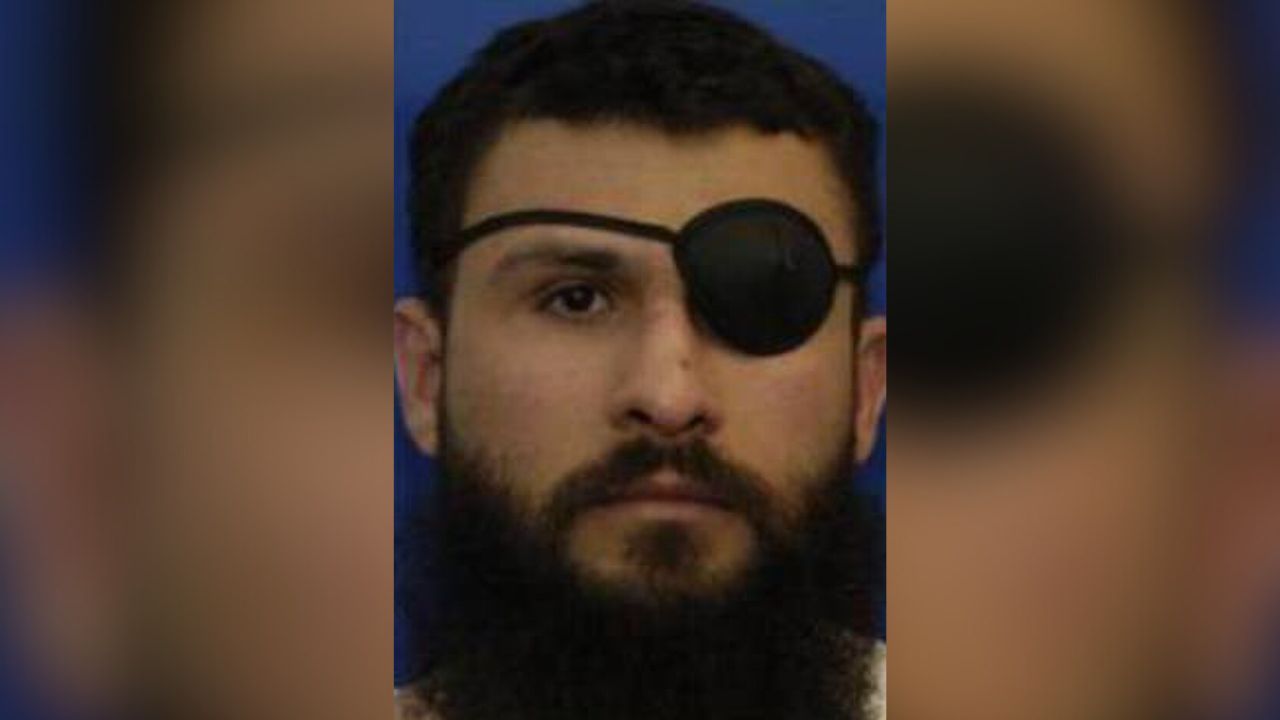
Abu Zubaydah’s Capture and Early Life
Born Zayn al-Abidin Muhammad Husayn in Riyadh, Saudi Arabia, of Palestinian origin, Abu Zubaydah grew up in Ramallah, Palestine. According to Moazzam Begg, a former Guantanamo Bay prisoner and senior director at the advocacy organization CAGE, Zubaydah’s early life was marked by the realities of the Israeli occupation, where he resisted military forces by throwing stones at occupation tanks.
In the chaotic aftermath of the September 11 terrorist attacks, Zubaydah was captured in Faisalabad, Pakistan, in 2002 by U.S. forces alongside more than 30 other suspects. At the time, the administration of U.S. President George W. Bush publicly hailed his capture as a monumental victory, claiming he was a senior Al-Qaeda operative who was "plotting and planning murder." However, the U.S. government later formally withdrew the allegation that he was a senior member of the terrorist network.
Following his arrest in Pakistan, Zubaydah was thrust into a clandestine network of secret detention facilities operated by the CIA. Over the course of four years, he was moved across a series of secretive "black sites"—facilities located outside the standard U.S. legal system—spanning six countries, including Thailand, Lithuania, and Poland. By 2006, he was transferred to the military prison at Guantanamo Bay, Cuba, where he has remained ever since. Despite being held for two decades, he has never been officially charged with or convicted of a crime, earning him the grim moniker of the "forever prisoner."
Torture Techniques and the "Enhanced Interrogation" Program
Abu Zubaydah was the very first individual to be subjected to the dehumanizing torture techniques that the administration of President George W. Bush euphemistically labeled "enhanced interrogation." CIA records and reports cited by the U.S. Senate Select Committee on Intelligence (SSCI) detail how agency officials debated and implemented extreme physical and psychological coercion almost immediately upon his capture.
The mistreatment he endured went far beyond standard interrogation practices. Detailed accounts from U.S. Senate reports, international human rights investigations, and drawings produced by Zubaydah himself inside his prison cell paint a horrifying picture of continuous abuse. Moazzam Begg of CAGE noted that his interrogators waterboarded him, subjected him to physical and sexual assault, and locked him alive inside coffin-shaped boxes.
According to the comprehensive SSCI report on the CIA’s detention and interrogation program, Zubaydah was waterboarded a staggering 83 times. He was routinely placed in cramped, coffin-sized boxes, deprived of sleep for extended periods, kept in painful stress positions, and subjected to sustained physical violence. Internal CIA and intelligence assessments later acknowledged that Zubaydah was essentially used as a human guinea pig to test and refine brutal interrogation methodologies before they were applied to other detainees across the network of black sites.

Legal Battle and Ongoing Consequences
The recent financial settlement reached with the UK government marks a critical milestone in a long and arduous legal battle, though his legal team stresses that justice remains incomplete. Prof. Helen Duffy, international legal counsel for Zubaydah, emphasized that the violations of his rights are not merely historical chapters of the past, but constitute an ongoing injustice.
"The compensation is important, it’s significant, but it’s insufficient," Duffy stated, urging the United Kingdom and other international governments to fully acknowledge and share responsibility for his continued unlawful detention and the torture he suffered.
While the exact financial terms of the settlement remain undisclosed due to legal restrictions, Duffy described the payout as a substantial sum of money. However, due to his continued confinement in Guantanamo Bay, Abu Zubaydah is currently unable to access or manage the funds himself.

Zubaydah is one of only 15 prisoners still held at the Guantanamo Bay detention camp, which was established by President George W. Bush in 2002 to house individuals designated as "illegal enemy combatants" in the war on terror. Decades after his initial arrest, legal teams and human rights advocates continue to push for his eventual release and repatriation.
Reflecting on the psychological and practical preparations for life after captivity, Prof. Duffy noted that Zubaydah remains hopeful about eventually gaining his freedom and attempting to build a new life. She expressed optimism that the substantial financial settlement will eventually provide him with the means to support himself and secure his independence once he is finally released into the outside world.