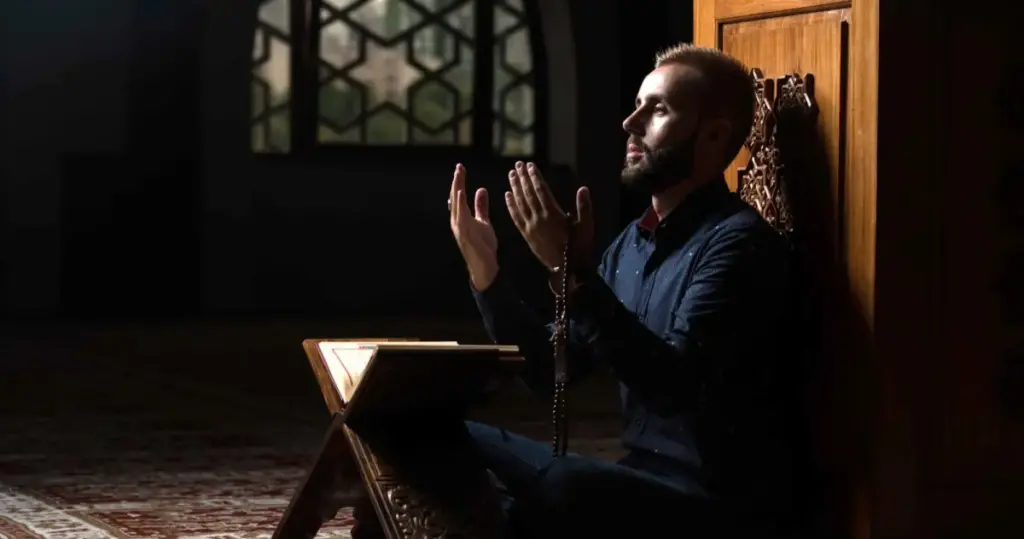
In the Islamic tradition, du’a, or supplication, is regarded as a profound divine gift and a direct lifeline between the believer and the Creator. Described by scholars and the faithful alike as the "weapon of the faithful," it is an effective and decisive means of seeking divine intervention, comfort, and guidance. This spiritual practice is anchored in the foundational divine promise articulated in Surah Ghafir, where Allah commands His creation: "Call upon Me; I will respond to you."
While the act of making du’a is accessible to all at any moment, theological insights drawn from the Quran and Prophetic traditions emphasize that certain behavioral and spiritual conditions make a supplication more eligible for a swift and favorable divine response. Among the clearest illustrations of these principles is the narrative of Prophet Zechariah, whose heartfelt plea for an heir was answered in a miraculous fashion by the All-Merciful.
The Divine Response to Zechariah’s Plea
The account of Prophet Zechariah is preserved in Surah Al-Anbiya, capturing a moment of profound vulnerability and unwavering faith. Zechariah called out to his Lord, saying, "My Lord, do not leave me alone [with no heir], while you are the best of inheritors."
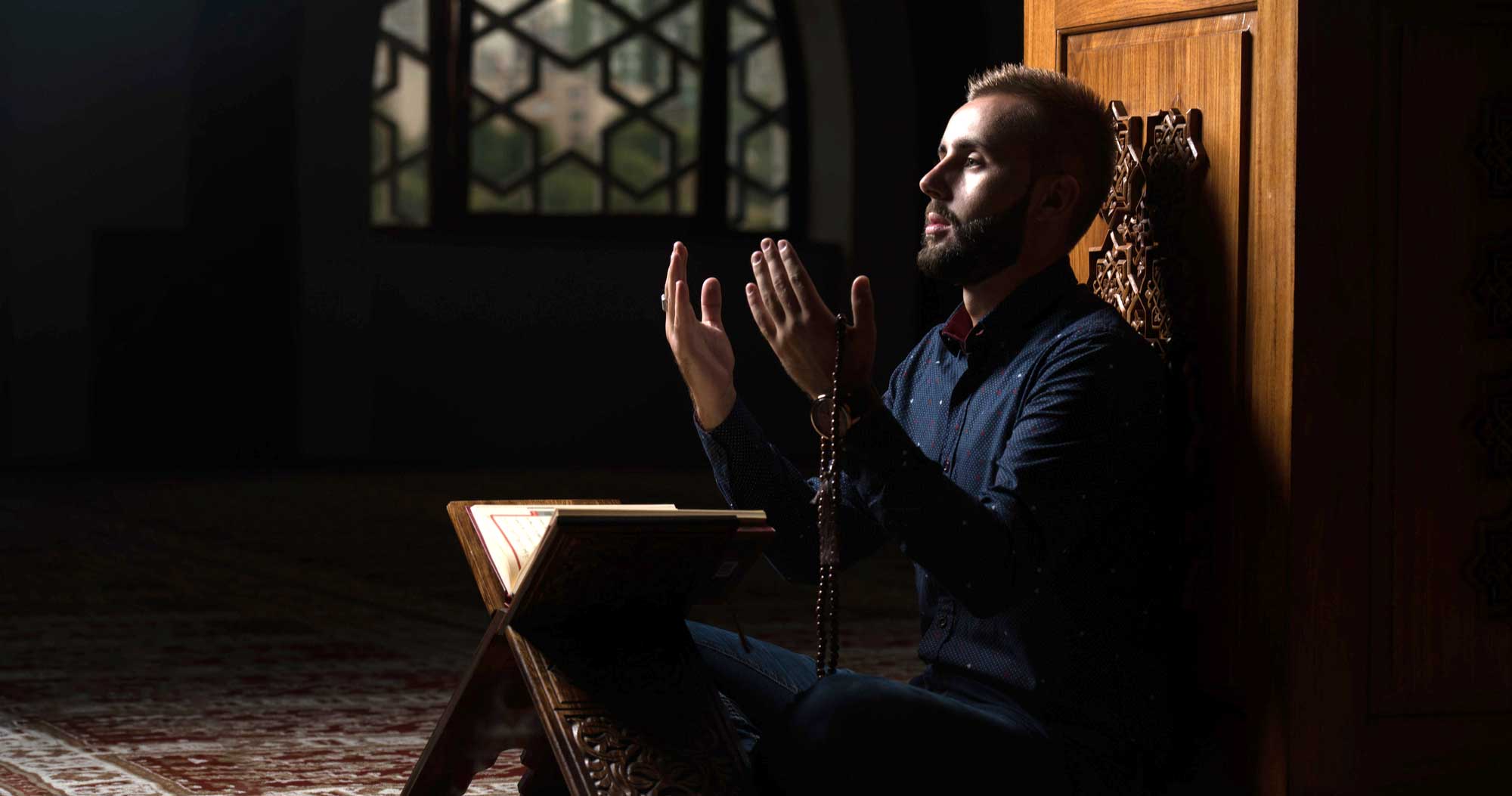
In response to this sincere entreaty, Allah granted him his wish, bestowing upon him a son, John—known in Arabic as Yahya—and simultaneously restoring the health and vitality of his wife, who had previously been barren. The subsequent verse explicitly outlines the criteria that qualified Zechariah and his household for this miraculous acceptance: "Indeed, they used to hasten to good deeds and supplicate Us in hope and fear, and they were to Us humbly submissive."
Examining these criteria reveals a comprehensive blueprint for spiritual alignment and sincerity. The first characteristic highlighted in the narrative is the habit of hastening to perform good deeds. Zechariah and his household were distinguished not merely by pure hearts and good intentions, but by their active urgency in executing righteous acts. Human nature often leads individuals to procrastinate, delaying acts of charity, kindness, or devotion under the assumption that time is infinite. However, the Prophetic framework urges believers to seize opportunities for good before they are overtaken by life’s occupations or the finality of death.
The Balance of Hope and Fear in Supplication
The second defining trait of Zechariah’s household was their consistency in supplicating to Allah in both hope and fear. Their relationship with the Divine was not transactional or limited to moments of acute crisis; rather, they maintained a continuous dialogue with their Creator across all circumstances, whether experiencing joy, sorrow, optimism, or anxiety.

This holistic approach to supplication aligns directly with the teachings of Prophet Muhammad. In a narration recorded by Imam At-Tirmidhi and authenticated by Al-Hakim, the Messenger of Allah advised, "Whoever wishes that Allah would respond to him during hardship and grief, then let him supplicate plentifully when at ease." This foundational principle establishes that building a rapport with the Creator during periods of stability and prosperity creates a spiritual reservoir that sustains the believer during times of trial.
The Role of Humble Submission (Khushu’)
The third pillar of a receptive heart is khushu’, or humble submission. Far from being merely a physical posture during ritual prayer, khushu’ is an internal state of the heart that naturally manifests in a person’s physical demeanor and daily actions.
The Quran further contextualizes this spiritual state in Surah Al-Baqarah, associating it with believers who maintain the absolute certainty that they will ultimately meet their Lord and return to Him. This psychological state cultivates persistent piety and a continuous awareness of divine accountability. It is an overarching characteristic that should permeate every facet of a believer’s life, rather than being confined strictly to moments of formal worship.

Acknowledging Allah in Times of Prosperity
The life of Prophet Zechariah exemplifies a continuous, active acknowledgment of Allah. In return for this steadfast devotion, the Almighty answered his prayers and granted him solace. This reciprocal dynamic is underscored in a widely known Prophetic tradition from the collection of Imam An-Nawawi, where the Prophet Muhammad instructed, "Be mindful of Allah, and you will find Him in front of you. Recognize and acknowledge Allah in times of ease and prosperity, and He will remember you in times of adversity."
To "acknowledge Allah" encompasses striving to attain His pleasure, expressing gratitude for His continuous blessings, maintaining patience during hardships, and practicing sincerity under all conditions. This principle is reflected across various narratives in the Quran. For instance, the individuals trapped inside a cave were delivered from certain doom when their sincere, prior good deeds served as a means of divine rescue, causing a massive boulder blocking the entrance to move. Similarly, the Quran notes the deliverance of Prophet Jonah from the belly of the whale, observing that had he not been among those who frequently exalted Allah, he would have remained trapped there until the Day of Resurrection.
Historical Contrasts: The Example of Pharaoh
In sharp contrast to the steadfast believers who maintained their connection to the Divine during times of ease, the Quran presents the cautionary tale of Pharaoh. Throughout his reign of power and prosperity, Pharaoh denied Allah and rejected faith. When he was finally overtaken by the reality of drowning in the Red Sea, he made a verbal declaration of faith, proclaiming that he believed in the God of the Children of Israel.

However, divine justice dictated that this eleventh-hour declaration, made only when escape was impossible, was insufficient. The Quran recounts the divine response to his late plea: "Now? And you had disobeyed [Him] before and were of the corrupters? So today We will save you in body that you may be to those who succeed you a sign."
Islamic commentary notes that Allah preserved Pharaoh’s physical remains as an enduring historical artifact and a tangible warning for future generations. Despite the clarity of these historical precedents and explicit textual lessons, the narrative warns that many people remain heedless of these profound spiritual realities, continuing to delay their spiritual return until they face insurmountable trials.