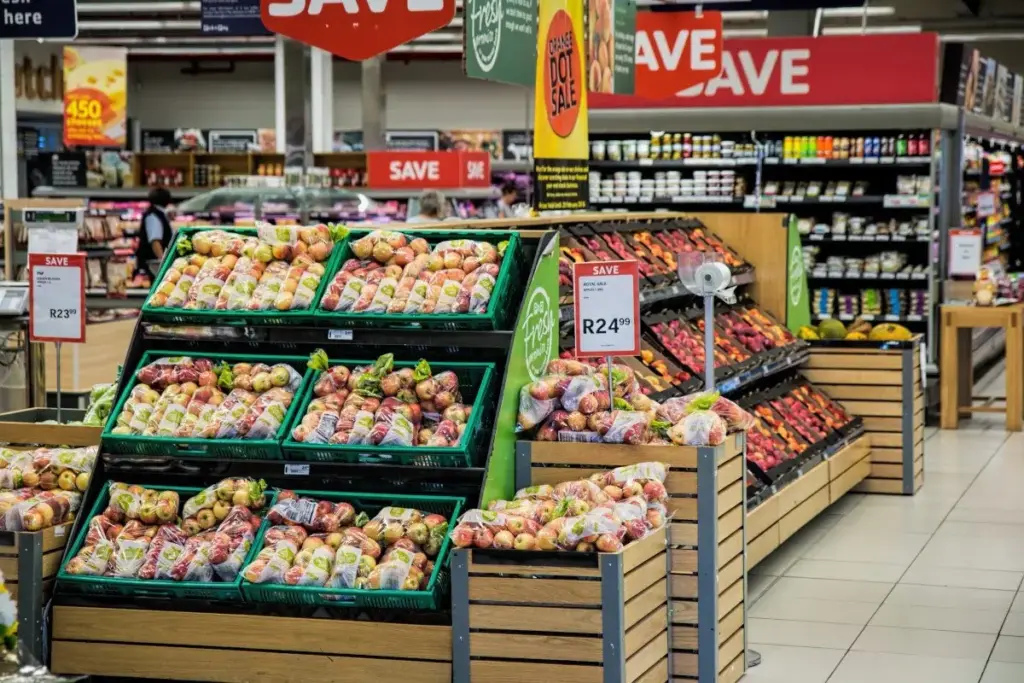
For millions of non-Muslim shoppers around the world, purchasing halal food is rarely a deliberate religious choice. More often than not, it is simply a matter of presence: the product is sitting on the shelf, neatly arranged at the meat counter, or integrated into a prepared meal, frequently bearing no prominent religious label at all. Yet, when non-Muslim consumers do intentionally seek out and select halal-certified products, academic and market research points to a distinct set of motivating factors, including perceived product quality, heightened cleanliness, familiarity with multicultural cuisines, and a strong overlap with ethical, organic, and clean-label dietary trends. At the same time, questions surrounding animal welfare cut in both directions, serving as a compelling draw for some buyers while prompting hesitation or avoidance among others.
This intersection of consumer behavior and commercial strategy matters deeply because the global halal food market has expanded far beyond its traditional religious base. According to the State of the Global Islamic Economy Report 2025/26, published by DinarStandard, Muslim consumers spent an estimated $1.53 trillion on food and beverages in 2024, a figure projected to surge to $2.06 trillion by 2029. This economic footprint is underpinned by a growing global demographic; Pew Research Center data indicates that the world’s Muslim population reached approximately two billion people in 2020, representing roughly 26 percent of the global population. Crucially, neither of these sweeping financial and demographic estimates accounts for the significant segment of non-Muslim consumers who regularly purchase the exact same products.
This broader consumer group ultimately determines whether a food brand pursuing halal certification remains a niche player or successfully captures a mainstream audience. For food manufacturers, major meat packers, and large-scale retailers operating across the United States, Europe, and Australia, this market reality shapes three critical business decisions: whether to invest in formal certification, whether to print a recognizable halal logo on product packaging, and how to respond if a localized customer campaign or backlash turns against the brand.
Evaluating the true scale of non-Muslim halal consumption presents a distinct methodological challenge, as no official government statistics directly measure non-Muslim spending in this category. Instead, researchers and industry analysts must rely on a combination of indirect indicators, including national livestock slaughter data, corporate sales estimates, and academic consumer surveys, each of which carries inherent limitations.
The most robust indirect measure currently available originates in the United Kingdom. Data from the Food Standards Agency’s 2022 slaughter sector survey reveals that during a representative survey week in March 2022, an estimated 72.3 percent of all sheep slaughtered in England and Wales were processed using the halal method. By comparison, data from the 2021 census published by the Office for National Statistics indicates that Muslims accounted for 6.5 percent of the total population of England and Wales. While a portion of British lamb is exported to international markets, this stark statistical gap strongly implies that numerous non-Muslim households in the U.K. regularly consume halal-slaughtered lamb, frequently without realizing it.
Commercial estimates from major food brands point toward a similar conclusion. Adnan Durrani, founder of the U.S.-based frozen-food brand Saffron Road, estimated during a 2020 industry interview that approximately 85 percent of his consumer base consisted of non-halal consumers and non-Muslim Americans. At the time, Food Dive reported that the brand enjoyed nationwide distribution across roughly 25,000 grocery stores, including major partnerships with thousands of Walmart locations. While such figures represent corporate projections rather than audited market research, they underscore the expansive commercial reach of halal-certified goods beyond core demographic markets.
Academic research into non-Muslim halal buyers consistently demonstrates that individuals with baseline awareness of halal food are broadly receptive to it, with personal attitudes and social circles serving as stronger predictors of purchase intention than deep religious knowledge. However, a significant portion of this peer-reviewed research originates in Malaysia and Singapore, where non-Muslim populations live alongside a Muslim majority or a substantial minority.
Early regional studies, such as research published in the International Food Research Journal, highlighted that urban Malaysian non-Muslim shoppers frequently linked halal food standards with broader concepts of food safety and environmental friendliness. Subsequent studies conducted in Singapore, Canada, Spain, and the United Kingdom further reinforced these findings, indicating that cosmopolitan consumers with an appreciation for diverse culinary traditions judged halal products much more favorably, whereas consumers exhibiting strong ethnocentric tendencies or strict national identification viewed them with greater skepticism. Despite these valuable insights, academic research examining non-Muslim halal buyers within the United States remains sparse, leaving a notable gap in large-scale empirical studies within the North American market.
An analysis of available evidence suggests that product availability and perceived quality serve as the primary drivers of non-Muslim halal purchasing habits, while price considerations play a remarkably minor role.
Availability often operates as the default mechanism through which non-Muslims encounter and buy halal goods. When a commercial supplier, restaurant chain, or supermarket decides to streamline its operations by sourcing halal meat for all customers, the choice is made on behalf of the entire consumer base. A notable European example occurred in France, when the fast-food chain Quick converted a portion of its nationwide restaurants to exclusive halal-only menus. Corporate communications at the time described the trial as a commercial success, meaning every customer patronizing those specific locations, regardless of religious background, consumed halal-certified meat. A parallel pattern is evident across the United States, where major national retailers such as Walmart and Costco routinely stock halal lamb, poultry, and ready-to-eat meals alongside conventional grocery items, making them readily accessible to any shopper reaching for provisions.
Perceived quality, cleanliness, and rigorous oversight represent another powerful motivating factor. Non-Muslim shoppers frequently interpret a certified halal logo as an indicator of enhanced inspection and stringent hygiene standards. While peer-reviewed studies do not definitively prove that halal-certified food is inherently safer than conventional alternatives, the certification process mandates strict adherence to specific dietary regulations, including the absolute absence of pork and alcohol, alongside controlled slaughter methods. In markets like the United States, baseline food safety is legally mandated by federal oversight regardless of religious certification; however, halal certification introduces a documented, verifiable chain of custody. Independent certifiers systematically audit ingredients, suppliers, and production facilities, providing the detailed paper trail that cautious mainstream shoppers often look for, though the rigor of these audits can vary significantly depending on the certifying body.
The growth of the halal market is also heavily propelled by its natural overlap with broader ethical and clean-label consumer movements. Halal products frequently intersect with adjacent marketing claims that mainstream shoppers actively seek out, such as antibiotic-free meat, organic sourcing, and non-GMO verification. When brands launch products into premium retail environments, the consumer may primarily be drawn to the clean-label or antibiotic-free attributes, effectively adopting halal certification as a secondary benefit. This dual positioning complicates direct consumer research, as surveys rarely control for the simultaneous presence of multiple eco-friendly or ethical claims on a single product package.
Culinary familiarity and taste preferences constitute a fourth major catalyst. A significant share of non-Muslim spending on halal items is, in practice, spending on distinct ethnic cuisines, including Middle Eastern, South Asian, Turkish, Malaysian, and North African food traditions. Iconic culinary offerings such as street-cart meals in major metropolitan areas, neighborhood kebab shops, and regional noodle stalls cater broadly to the general public. Research confirms a distinct familiarity effect, wherein consumers who enjoy exploring foreign culinary products view halal designations much more favorably.
Conversely, price appears to be the least influential driver in consumer decision-making. Comprehensive investigations, such as a major inquiry conducted by Australia’s Senate Economics References Committee, concluded that third-party halal certification does not measurably increase retail food prices for consumers, as compliance costs for large-scale manufacturers remain minimal. While specialty halal fresh meats in niche retail environments may fluctuate in price based on independent supply chains, packaged goods generally maintain price parity with conventional alternatives.
Animal welfare remains the most contentious issue surrounding the halal market, acting simultaneously as a powerful incentive for some buyers and a deterrent for others. Certain non-Muslim consumers actively purchase halal products under the assumption that religious slaughter rules ensure humane treatment, while others actively avoid them due to concerns regarding animal slaughter performed without prior stunning.
Official agricultural statistics illustrate the complexity of stunning practices within commercial processing. Data from the 2022 Food Standards Agency survey in England and Wales revealed that approximately 97 percent of cattle slaughtered under halal guidelines were subjected to stunning prior to the cut. However, the same survey noted that roughly 31 percent of halal-slaughtered sheep were processed without stunning. For poultry, calculations derived from the survey data indicated that approximately 85 percent of halal meat chickens were stunned before slaughter. Food scientists, religious scholars, and certifiers continue to debate the compatibility of various stunning methods with traditional religious jurisprudence, with some certifying bodies accepting reversible stunning and others maintaining strict prohibitions against any form of pre-slaughter unconsciousness.
Regulatory bodies have increasingly responded to these animal welfare debates. The Court of Justice of the European Union issued a landmark ruling upholding the legal authority of member states to mandate reversible stunning prior to religious slaughter, thereby supporting regional bans implemented in areas such as Belgium’s Flemish region. Parliamentary inquiries in countries like Australia have similarly examined labeling frameworks to provide clearer transparency for consumers concerned with slaughter methodologies.
In parallel with broader market adoption, the expansion of halal certification has occasionally encountered organized pushback and consumer boycotts. Documented campaigns in countries like Australia and France demonstrate that displaying a visible halal logo can occasionally expose a brand to consumer backlash. In Australia, several dairy and food companies faced intense social media campaigns over their certification status, prompting temporary withdrawals or heightened security measures before public support stabilized. Similarly, high-profile political figures in Europe have frequently criticized commercial expansions of halal-only fast-food outlets, reflecting underlying social tensions around religious dietary branding in the public sphere.
Academic analysis reinforces these market realities, indicating that consumer ethnocentrism and strong national identity often correlate with negative perceptions of religious certification marks. Consequently, market researchers advise food brands to carefully evaluate their target demographics, distribution channels, and regional sensitivities before determining whether to prominently feature halal labeling on product packaging, integrate discreet certification marks, or maintain certifications strictly for export and industrial food service applications.