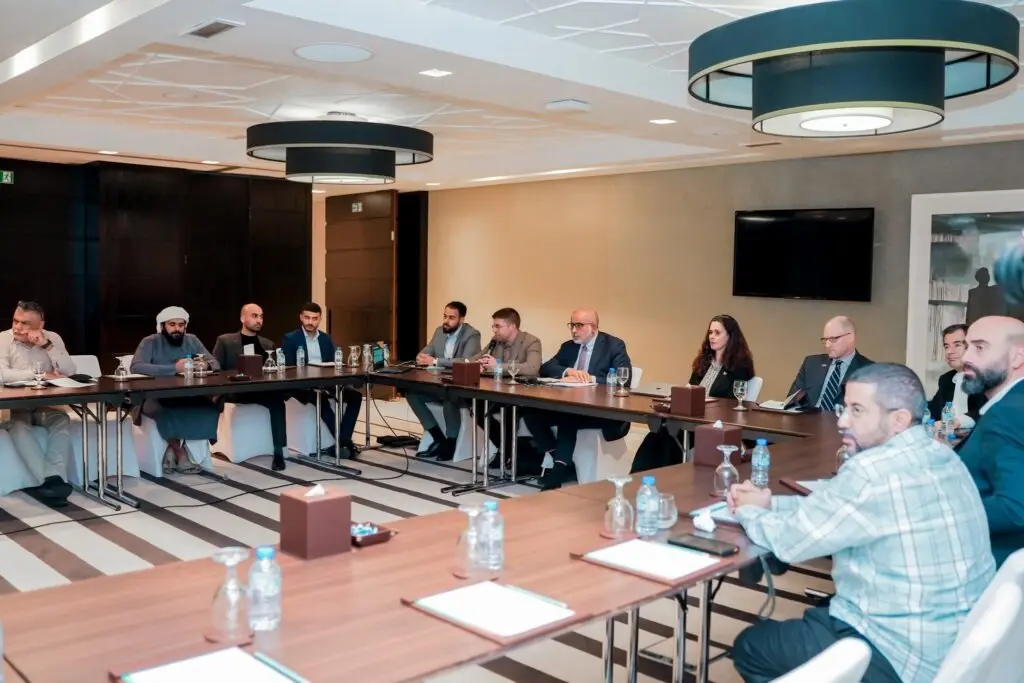
Kalam Research & Media (KRM) recently hosted a high-level academic workshop in collaboration with Canada’s University of Guelph, bringing together international thought leaders to examine the profound intersection of ethics, technology, and governance. Titled “Humanities, Artificial Intelligence, and the Future of Responsibility,” the convening served as a crucial platform for an interdisciplinary dialogue on the trajectory of modern computing.
The event successfully gathered leading specialists in philosophy and computer science, alongside prominent institutional and intellectual figures. Together, participants engaged in rigorous, in-depth discussions regarding the ethical and institutional dimensions of artificial intelligence. The overarching focus centered on charting a practical course to ensure that rapid technological advancements serve humanity, protect fundamental values, and strengthen public trust in an increasingly automated world.
As artificial intelligence systems continue to penetrate every corner of modern society—from enterprise operations to delicate public infrastructure—policymakers, technologists, and ethicists face mounting pressure to address the societal implications of autonomous decision-making. The partnership between Kalam Research & Media and the University of Guelph underscored the pressing need to move beyond purely technical achievements and confront the deeper philosophical questions raised by machine learning and large-scale data processing.
Digital wisdom
A central highlight of the academic program was a featured lecture delivered by Dr. Joshua August Skorburg, Associate Professor of Philosophy at the University of Guelph. Entitled “Digital Wisdom,” Dr. Skorburg’s presentation challenged conventional approaches to technology regulation by examining the fundamental distinction between compliance-based ethics and ethics deeply grounded in practical judgment.
During his address, Dr. Skorburg argued that modern regulatory frameworks often rely too heavily on rigid, checklist-style compliance measures that fail to capture the nuanced realities of complex digital environments. Instead, he posited that building genuinely responsible artificial intelligence systems requires the cultivation of what he termed “institutional wisdom.” According to Dr. Skorburg, this form of wisdom is essential for navigating ambiguity and making balanced, ethically sound decisions under conditions of intense complexity and uncertainty. By fostering environments where organizations can exercise sound judgment rather than merely ticking boxes, institutions can better safeguard the public interest against unforeseen algorithmic harms.
Responsible data mining
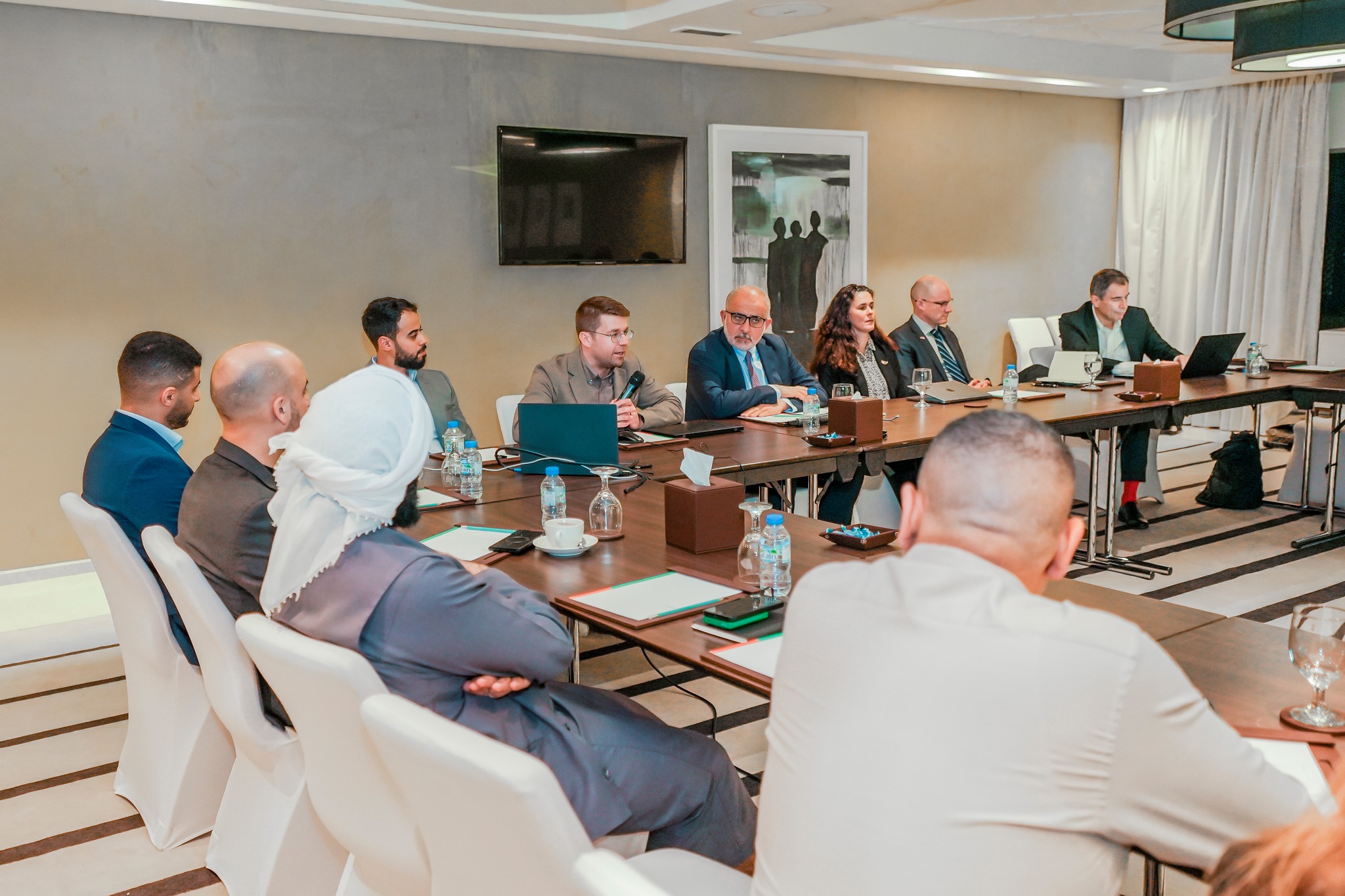
Complementing the philosophical inquiries of the morning sessions, the workshop also dove deep into the technical realities of software development and system architecture. Dr. Louisa Anthony, Assistant Professor of Computer Science at the University of Guelph, delivered a compelling presentation on “Responsible Data Mining,” shifting the analytical lens toward the foundational layers of artificial intelligence development.
Dr. Anthony explained to the gathered specialists that true ethical responsibility in computing cannot be an afterthought applied only after a model has been deployed. Rather, ethical accountability must begin long before algorithmic model design ever takes place. She emphasized that the critical phases of data collection, data linkage, system definition, and preliminary evaluation represent the true crucible of algorithmic fairness and bias.
Furthermore, Dr. Anthony stressed the vital importance of designing robust data pipelines that are fully auditable and accountable. By ensuring that every stage of the data lifecycle remains transparent and subject to critical review, engineering teams can significantly mitigate the risk of perpetuating historical biases or introducing systemic errors into machine learning applications. Her remarks bridged the gap between abstract moral theory and the concrete engineering practices required to build trustworthy digital systems.
Toward a responsible future
The day’s proceedings culminated in a comprehensive closing discussion moderated by Prof. Aref Ali Nayed, Chairman of Kalam Research & Media. Bringing together the diverse philosophical and technical dimensions explored throughout the workshop, Prof. Nayed synthesized the insights offered by the speakers and participants.
In his closing remarks, Prof. Nayed emphasized that the future of artificial intelligence cannot and should not be built upon a foundation of technical efficiency alone. While computational power, speed, and optimization remain vital to technological progress, he argued that they must be tempered by deep wisdom and enduring institutional responsibility. Without these guiding principles, the rapid proliferation of advanced technologies risks eroding human agency and destabilizing public confidence.
The successful workshop stands as a key milestone within Kalam Research & Media’s ongoing, broader efforts to foster sustained dialogue between the humanities and emerging technologies. By convening experts across disciplines, KRM continues to champion the development of practical ethical frameworks designed to guide researchers, developers, and institutions toward a more just, equitable, and human-centered digital future.