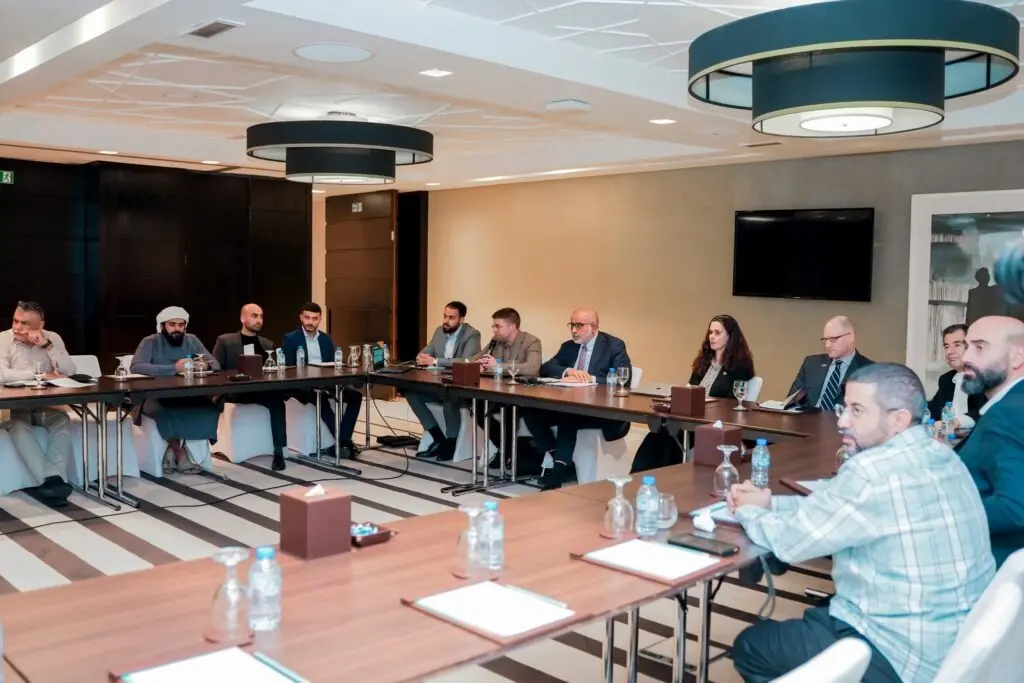
In an era defined by the rapid acceleration of artificial intelligence and its pervasive integration into daily life, questions surrounding ethics, accountability, and the future of human agency have taken center stage. Addressing these critical concerns, Kalam Research & Media (KRM) recently hosted a high-level academic workshop in collaboration with the University of Guelph, Canada. Entitled "Humanities, Artificial Intelligence, and the Future of Responsibility," the event convened a diverse assembly of specialists in philosophy, computer science, alongside institutional leaders and intellectual figures, to foster an in-depth, cross-disciplinary dialogue on the ethical and institutional dimensions governing modern technological development.
The collaborative gathering was designed to move beyond traditional, siloed conversations about technology, bringing technical experts and humanities scholars into direct dialogue. By uniting these traditionally separated academic realms, the workshop sought to explore how the rapid evolution of artificial intelligence can be consciously directed toward serving broader humanity and actively strengthening public trust in digital systems. As artificial intelligence systems become more autonomous and deeply embedded in sensitive societal infrastructure, organizers emphasized that the imperative to align technological capability with human values has never been more urgent.
Digital Wisdom
A central highlight of the academic program was a compelling lecture delivered by Dr. Joshua August Skorburg, Associate Professor of Philosophy at the University of Guelph. Speaking under the theme "Digital Wisdom," Dr. Skorburg directed the audience’s attention toward a fundamental limitation in how contemporary technology often approaches ethical questions. He made a sharp and revealing distinction between standard compliance-based ethics—which typically rely on checking boxes, adhering to rigid regulatory frameworks, and meeting minimal legal thresholds—and a deeper ethical framework grounded firmly in practical judgment.
Dr. Skorburg argued before the gathered specialists that building genuinely responsible artificial intelligence systems cannot be achieved through algorithmic compliance alone. Instead, he maintained that society must actively cultivate what he termed "institutional wisdom." This form of wisdom, according to the professor, involves developing the capacity of organizations and systems to make balanced, context-aware decisions, particularly under conditions characterized by high complexity, profound uncertainty, and rapid technological change. By bridging theoretical philosophical insights with practical institutional realities, Dr. Skorburg’s presentation challenged attendees to rethink how moral reasoning can be embedded within the very structures that govern technological innovation and deployment.
Responsible Data Mining
Shifting from the philosophical underpinnings of technology to its tangible, technical execution, Dr. Louisa Anthony, Assistant Professor of Computer Science at the University of Guelph, delivered an illuminating presentation focused on "Responsible Data Mining." Dr. Anthony brought a crucial technical perspective to the workshop, arguing that ethical responsibility in the digital age cannot be treated as an afterthought or a final step in the software development lifecycle.
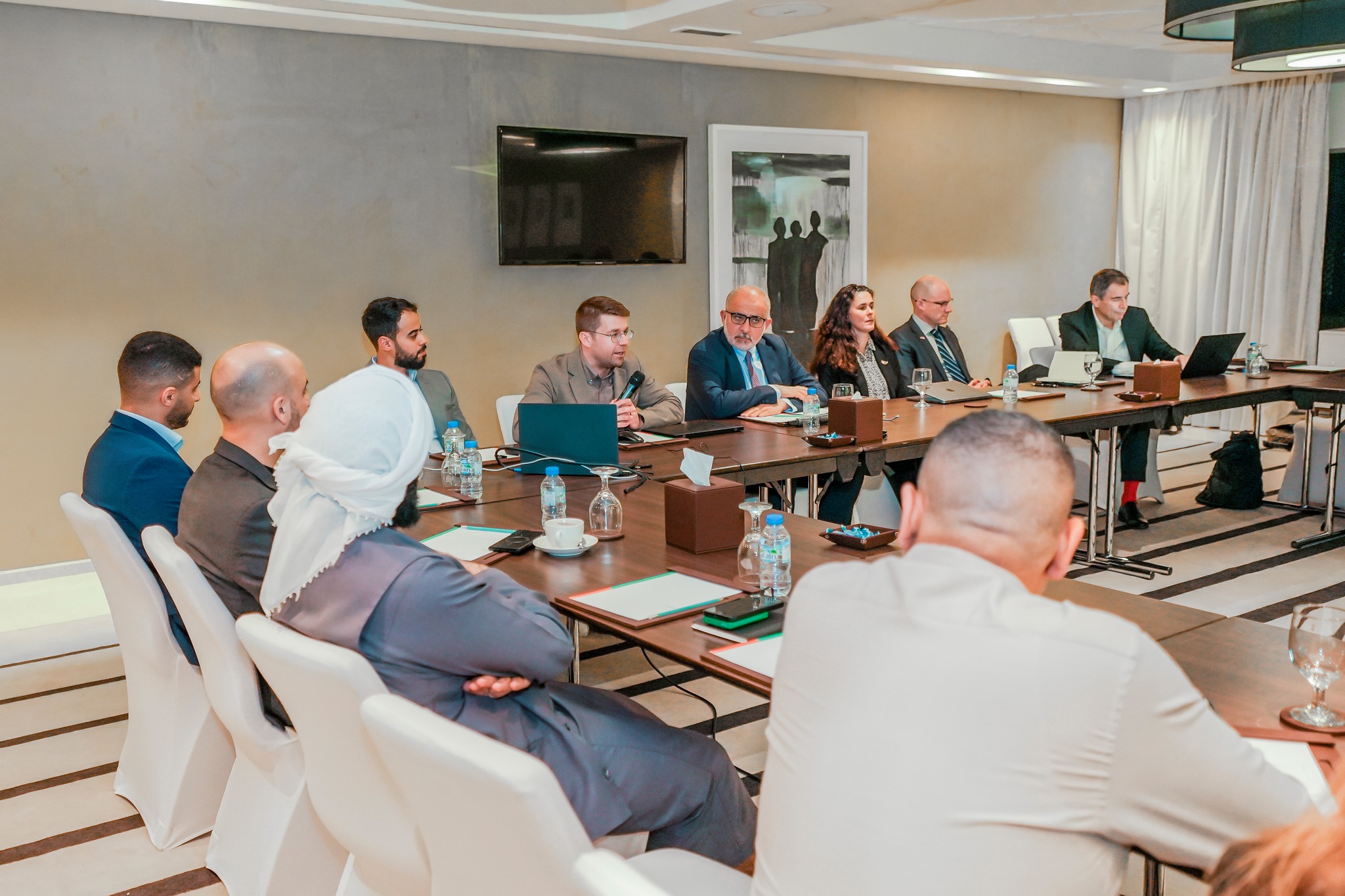
Instead, she explained that true responsibility must begin long before the actual design of algorithmic models takes place. According to Dr. Anthony, the foundational stages of data handling—encompassing data collection, linkage, definition, and evaluation—are where ethical vulnerabilities are most frequently introduced. She stressed the vital importance of intentionally designing data pipelines that are inherently auditable and accountable from their inception. By scrutinizing how data is gathered and structured, developers and institutions can mitigate biases and ensure greater transparency, thereby establishing a solid technical foundation for trustworthy artificial intelligence applications.
Toward a Responsible Future
Bringing the day’s diverse discussions to a cohesive synthesis, Professor Aref Ali Nayed, Chairman of Kalam Research & Media, moderated a comprehensive closing discussion. This final session successfully wove together the philosophical frameworks presented by the humanities scholars and the technical methodologies outlined by the computer science specialists.
During the closing dialogue, Professor Nayed emphasized a core takeaway that resonated throughout the entire symposium: the future of artificial intelligence cannot and must not be built on the foundation of technical efficiency alone. He asserted that unguided technological prowess, stripped of moral consideration, ultimately fails society. Instead, Professor Nayed argued that sustainable and humane technological progress requires an intentional integration of profound wisdom and robust institutional responsibility. His concluding remarks underscored the necessity for ongoing collaboration between technologists, philosophers, and institutional leaders to ensure that digital advancements uplift rather than undermine human dignity.
This academic workshop stands as a significant milestone within Kalam Research & Media’s broader, ongoing initiatives. KRM has consistently worked to foster meaningful dialogue at the intersection of the humanities and emerging technologies. By creating spaces for rigorous intellectual exchange, the organization aims to develop practical ethical frameworks that can effectively contribute to building a more just, equitable, and human-centric digital future for communities worldwide.