
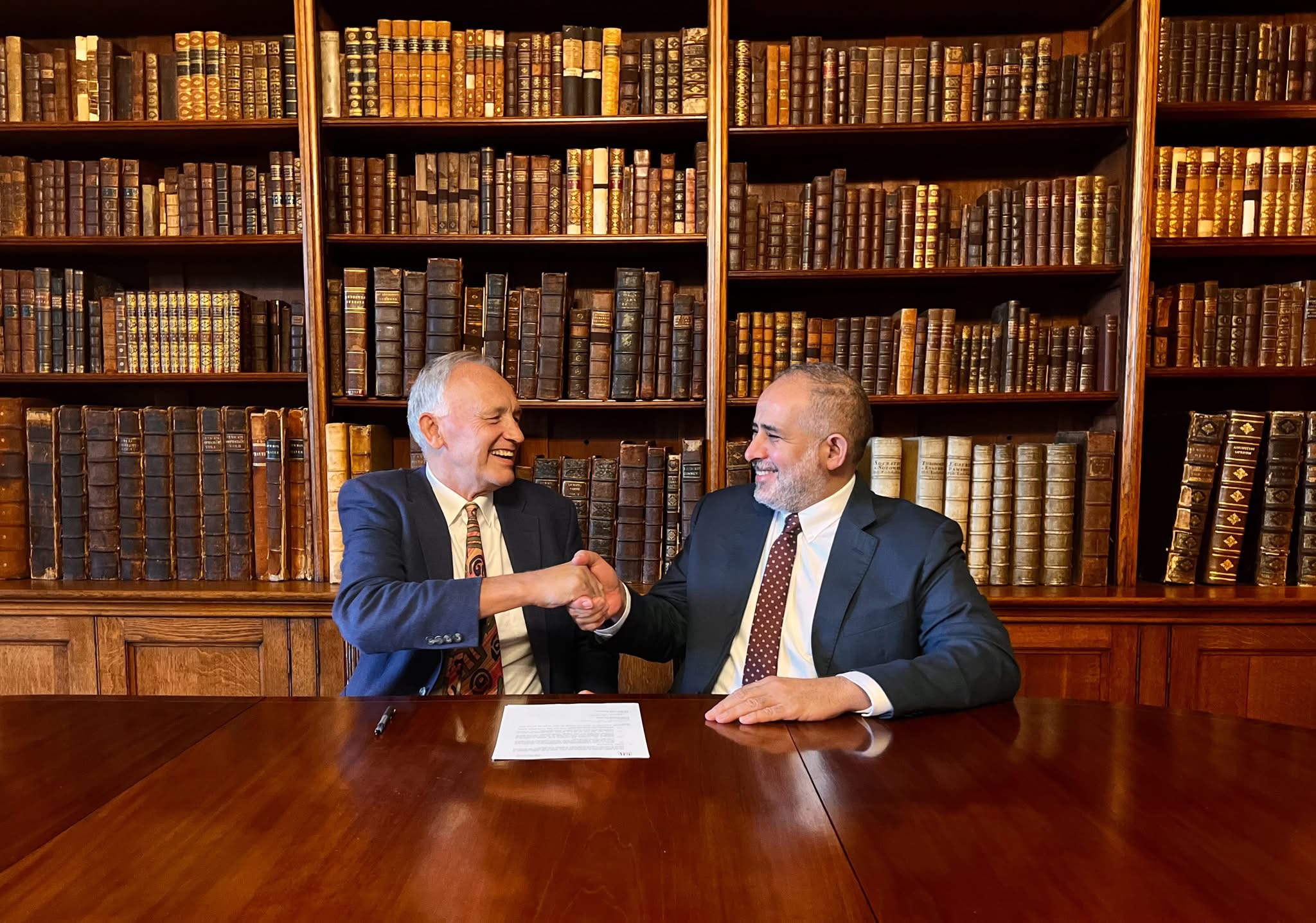
Kalam Research & Media (KRM) and the Rose Castle Foundation have officially announced the renewal and significant expansion of their Memorandum of Understanding, marking the beginning of a forward-looking phase of international collaboration focused on Peace AI and the ethical governance of rapidly emerging technologies.
This strategic renewal extends a successful multi-year partnership between the two distinguished organizations. A cornerstone of their previous collaborative efforts was the high-profile “Peacebuilding and Blockchain Technology” symposium, which was hosted in 2022 at the historic Rose Castle in the United Kingdom. That initial gathering established a strong precedent for examining how cutting-edge digital innovations intersect with human reconciliation, community resilience, and global peace efforts. The newly signed agreement reflects a much deeper, evolved institutional commitment to addressing the urgent ethical, social, and existential challenges posed by artificial intelligence systems and the increasingly complex digital environments that define modern global society.
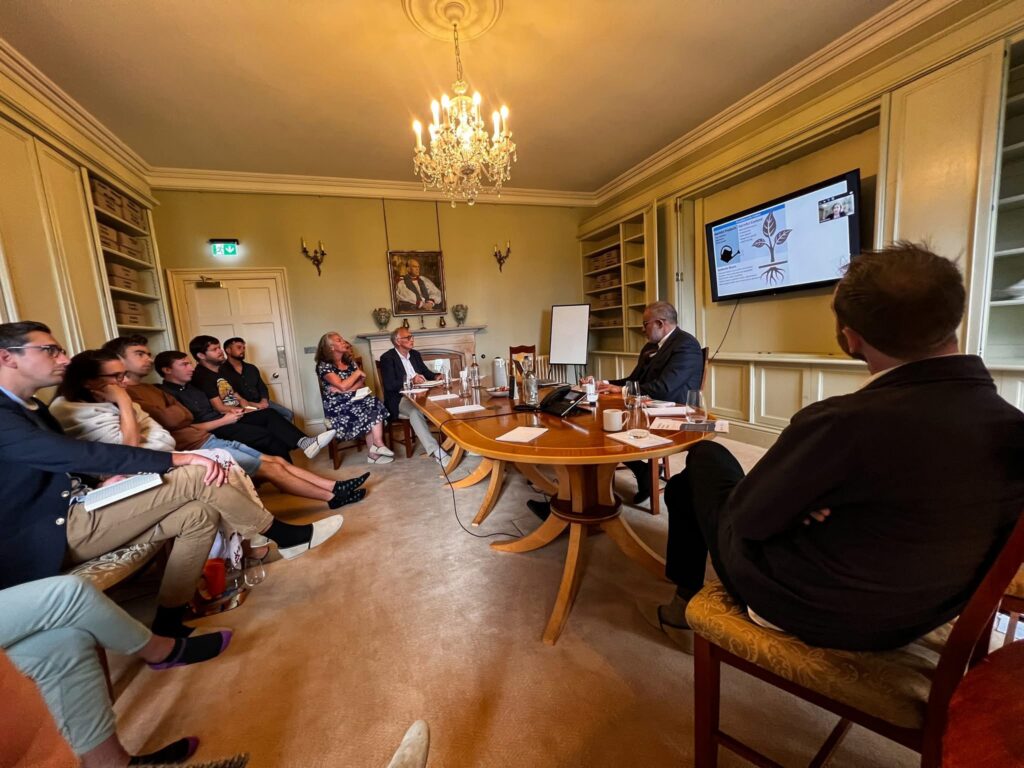
As a direct outcome of this renewed partnership, intensive preparations are currently underway for a specialized, high-level symposium titled “AI and Peace,” scheduled to convene this year. The upcoming event is designed to bring together a carefully curated group of leading global researchers, advanced technology experts, ethicists, and influential policymakers to confront the profound implications of machine intelligence on human relations and societal stability.
The upcoming symposium will systematically address a comprehensive range of critical themes that lie at the intersection of computer science, ethics, and peacebuilding. Among the core agenda items are the ethical governance of advanced AI systems and digital platforms, the mitigation of algorithmic amplification regarding hate speech and political polarization, and the establishment of strict interpretive and ethical accountability in the design of automated architectures. Furthermore, the participants will explore innovative approaches such as employing the Scriptural Reasoning methodology in responsible technological imagination, alongside evaluating the broader horizons of PeaceTech in constructing a more cohesive, harmonious future.
Organizers emphasize that the upcoming symposium is deliberately structured to move well beyond abstract academic theorizing. Instead, the initiative aims to foster actionable, practical frameworks that successfully unite technical innovation with rigorous ethical responsibility. This mission is considered vital at a time when digital infrastructures profoundly and continuously shape public discourse, cultural norms, and collective human consciousness across the globe.
Dr. Sarah Snyder, Founding Director of the Rose Castle Foundation, emphasized the critical timing of this initiative, pointing out that engaging responsibly with artificial intelligence represents an urgent, non-negotiable priority in contemporary peacebuilding. Given that digital technologies possess an immense, dual capacity to either fuel dangerous societal divisions or powerfully support reconciliation and mutual understanding, proactive ethical oversight is essential.
Echoing this perspective, Prof. Dr. Aref Ali Nayed, Chairman of Kalam Research & Media, stressed that artificial intelligence should not be viewed merely as a technical challenge or an engineering problem. Rather, he argued, it is fundamentally an ethical and hermeneutical question that demands rigorous, sustained collaboration across diverse disciplines, cultural frameworks, and intellectual traditions.
Looking toward the road ahead, the renewed Memorandum of Understanding establishes a robust institutional framework that guarantees continued intellectual dialogue, comprehensive knowledge exchange, and future joint initiatives. These collaborative efforts will remain strictly aligned with the core institutional missions of both organizations: advancing a sustainable vision of peace that is deeply grounded in knowledge, individual and collective responsibility, and profound mutual respect.