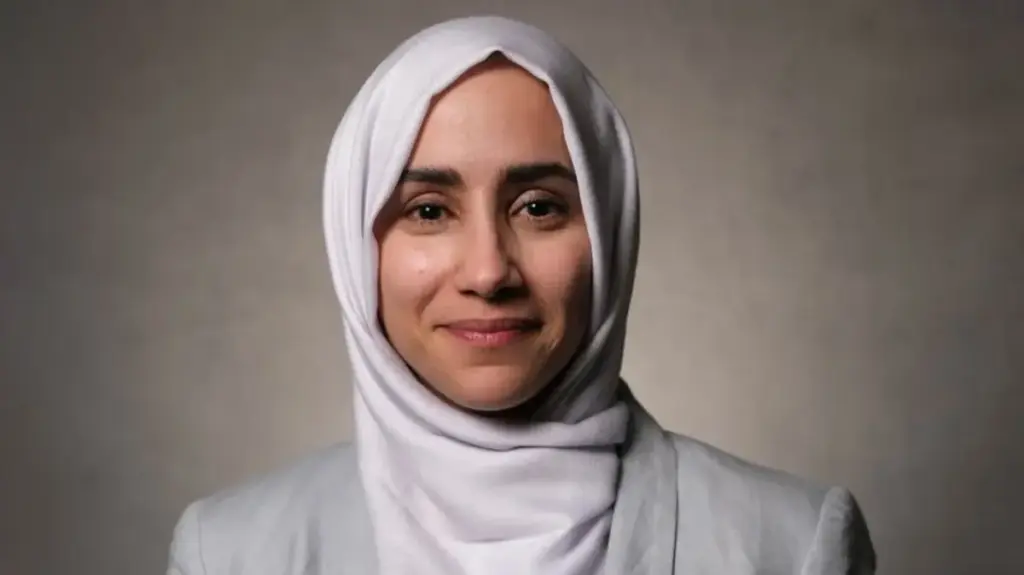
Professor Mariam Jamal-Hanjani has been officially appointed as the new Chief Clinician at Cancer Research UK, stepping into a prominent leadership role designed to guide and shape the prominent charity’s overarching clinical research strategies and its ongoing efforts to revolutionize cancer treatment.
As one of the leading organizations dedicated to conquering cancer through research, Cancer Research UK relies heavily on its clinical leadership to bridge the gap between complex laboratory discoveries and tangible, real-world therapies that can be administered directly to patients in clinical settings. In taking on this prestigious position, Professor Jamal-Hanjani brings a wealth of international recognition, academic distinction, and groundbreaking research experience to the forefront of the organization’s mission.
Alongside her new responsibilities with Cancer Research UK, Professor Jamal-Hanjani serves as a Professor of Cancer Genomics and Metastasis at University College London (UCL). Within the academic and medical communities, she is widely celebrated as an internationally recognized researcher who specializes in the intricate dynamics of how cancer evolves, spreads throughout the human body, and ultimately develops resistance to standard therapeutic interventions.

Her extensive body of work includes leading major, high-impact studies investigating lung cancer, a notoriously difficult disease that continues to claim countless lives globally. Through her rigorous scientific investigations, she has helped scientists and medical professionals better understand the complex ways in which tumors change, mutate, and adapt over time. Furthermore, her research sheds crucial light on why certain types of cancers become increasingly difficult to treat as they progress.
This deep understanding of tumor evolution is considered a vital stepping stone in modern oncology. By unraveling the biological mechanisms that allow cancer to outsmart treatments, researchers hope to pave the way for the development of more personalized and targeted therapies. Ultimately, these advancements are intended to yield significantly better prognoses and survival outcomes for patients facing a cancer diagnosis.
The leadership transition has drawn high praise from across the medical and charitable sectors, with key figures highlighting the immense value Professor Jamal-Hanjani adds to the organization. Michelle Mitchell, the Chief Executive of Cancer Research UK, expressed profound enthusiasm regarding the appointment, emphasizing the exceptional expertise that the new Chief Clinician brings to the table.
"Mariam brings to Cancer Research UK deep experience of leading high-performing research teams that are delivering radical new insights into how cancer changes as it grows, spreads, resists treatment and sometimes returns," Michelle Mitchell said, praising the rigorous standards and innovative thinking that characterize Professor Jamal-Hanjani’s professional background.

Reflecting on her new responsibilities and the broader mission of the charity, Professor Jamal-Hanjani shared her perspective on stepping into the role and her vision for the future of clinical cancer research.
"Cancer Research UK has an extraordinary track record of turning scientific discovery into real-world benefit for patients, and the chance to help shape that mission is something I feel deeply privileged to take on," Professor Jamal-Hanjani stated.
She further emphasized an urgent need to accelerate the translation of complex laboratory research into tangible, life-saving cancer outcomes. In discussing how these breakthroughs can be efficiently delivered to those who need them most, she specifically highlighted the National Health Service (NHS) as a monumental asset. According to Professor Jamal-Hanjani, the NHS serves as a crucial bridge connecting cutting-edge scientific discoveries directly with patients across the healthcare system, facilitating a smoother and faster transition from research to clinical application.
Professor Jamal-Hanjani officially commenced her new role in October 2026. In taking up the mantle of Chief Clinician, she succeeds Professor Charles Swanton, another highly respected figure in the oncology community who had held the position since 2017. Professor Swanton’s tenure was marked by significant advancements in understanding tumor heterogeneity and evolution, laying a robust foundation for the work that Professor Jamal-Hanjani is now poised to lead, expand, and accelerate in the years ahead.