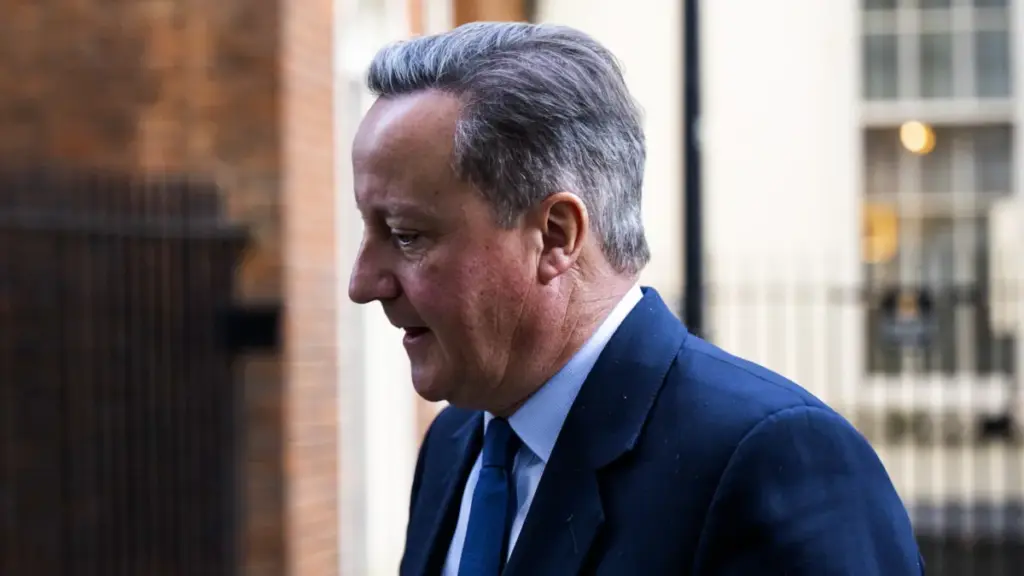
UK Foreign Secretary David Cameron struggled to provide a clear response during a parliamentary committee hearing when pressed on whether Israel had breached international humanitarian law in the course of its military campaign in Gaza. The exchange highlighted the growing diplomatic and political pressure facing British officials as they navigate the escalating crisis, balancing traditional alliances with mounting domestic and international concerns regarding the protection of civilians and the rules of war.

Appearing before the parliamentary committee, Lord Cameron was repeatedly questioned by lawmakers seeking a definitive assessment of the legality of Israel’s military actions under international law. The Foreign Secretary’s hesitant and cautious replies underscored the delicate position occupied by the UK government, which has faced intense scrutiny from human rights organizations, legal experts, and members of parliament over its continued diplomatic and military posture regarding the conflict.
The parliamentary session brought to the forefront a central debate within British foreign policy regarding accountability, adherence to international legal frameworks, and the responsibilities of allied nations during times of major armed conflict. Lawmakers pressed the Foreign Secretary on the specific thresholds used by the Foreign, Commonwealth & Development Office (FCDO) to evaluate whether international humanitarian law has been violated, particularly given the extensive destruction and high casualty rates reported in Gaza.

Throughout the questioning, Lord Cameron attempted to outline the complex mechanisms through which the UK assesses ongoing conflicts, noting the reliance on continuous legal advice and internal evaluations. However, his inability to offer a direct confirmation or denial regarding potential breaches drew immediate attention, serving as a focal point for broader discussions surrounding transparency, governmental accountability, and the practical application of international humanitarian standards in contemporary warfare.
The scrutiny faced by the Foreign Secretary reflects a broader climate of intense political debate across the United Kingdom concerning the Gaza conflict. Parliamentarians from various political backgrounds have increasingly challenged the government to adopt a more rigorous stance, calling for greater clarity on arms export licenses, humanitarian access, and diplomatic initiatives aimed at achieving a lasting cessation of hostilities. Civil society groups and legal scholars have similarly urged British authorities to take a more proactive role in ensuring that international law is rigorously upheld and that any potential violations are thoroughly investigated by competent international bodies.

As the situation in Gaza continues to draw global concern, the remarks and performance of senior officials like David Cameron remain under close observation by both domestic audiences and international partners. The parliamentary exchange serves as a significant marker in the ongoing discourse over the UK’s diplomatic responsibilities, illustrating the profound challenges inherent in formulating foreign policy during a fast-moving and deeply polarizing international crisis.