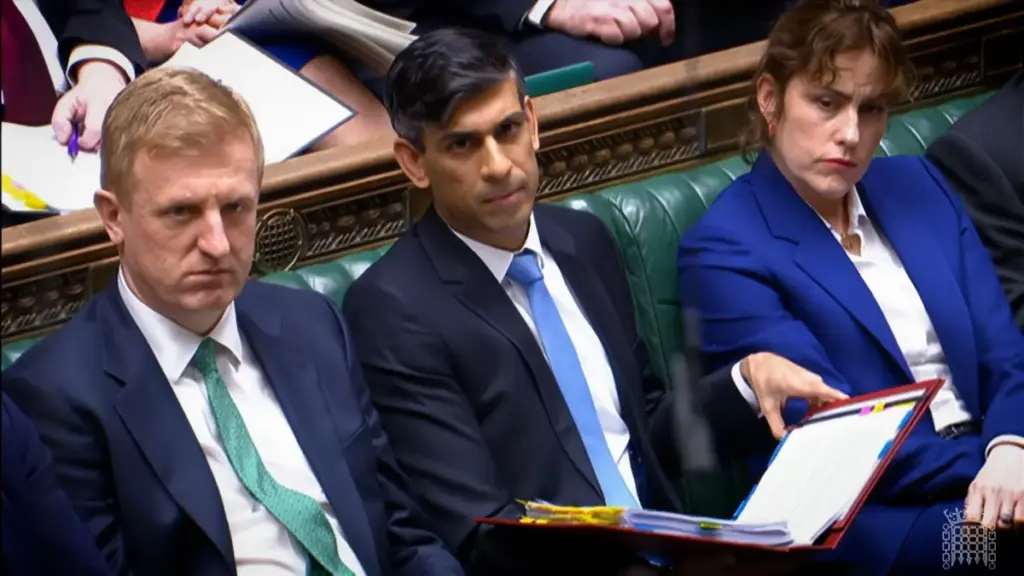
During a heated session of Prime Minister’s Questions (PMQs) on Wednesday, Prime Minister Rishi Sunak faced severe rebukes and rigorous questioning from multiple members of parliament regarding the British government’s ongoing diplomatic and political stance on the ongoing conflict in Gaza. Lawmakers from across the opposition benches pressed the Prime Minister over humanitarian suffering, civilian casualties, and accountability under international law, with several sharp exchanges dominating the proceedings at the House of Commons.
The tension reached a high point when Labour MP Tahir Ali leveled a direct and severe accusation against the Prime Minister. Challenging Sunak over the humanitarian toll of the military campaign and the UK’s unwavering diplomatic backing of the Israeli government, Ali asked the Prime Minister directly from the floor of the House, "Is it not time for the Prime Minister to admit that he has the blood of thousands of innocent people on his hands?"
The exchange underscored a deeply polarized atmosphere within the British parliament, where a growing number of parliamentarians have expressed mounting alarm over the scale of devastation, the displacement of civilian populations, and the acute shortage of basic necessities, including food, clean water, and medical supplies, facing millions of residents trapped inside the besieged Gaza Strip.
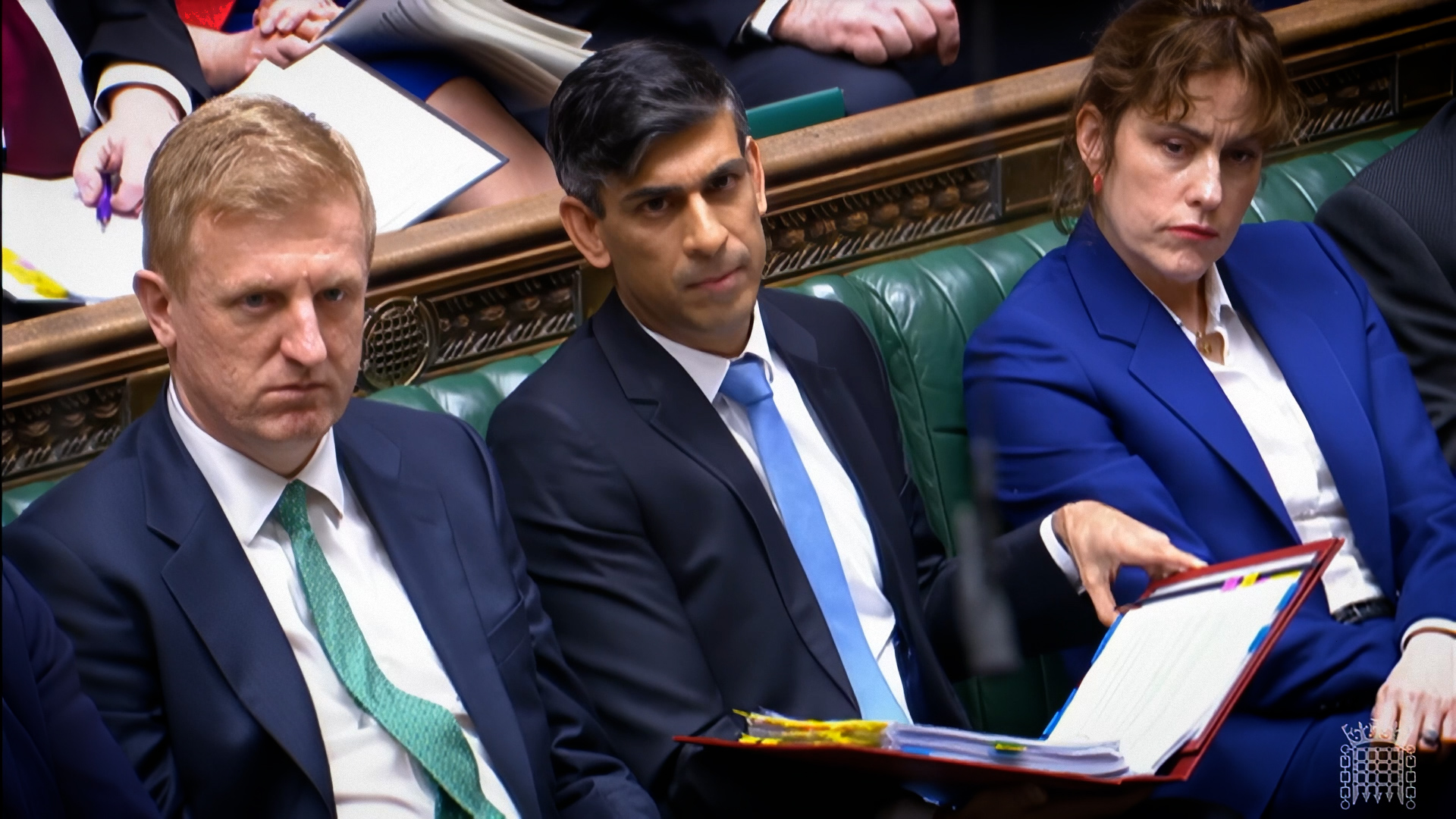
Continuing the line of questioning regarding the unfolding humanitarian catastrophe, Scottish National Party (SNP) MP Anum Qaisar pressed the Prime Minister on the obstruction of vital aid supplies entering the territory. Qaisar directed a sharp query toward the government dispatch box, asking, "The Israeli government has the power to end this starvation crisis… does it not, Prime Minister?"
However, rather than providing a direct answer to the specific inquiry concerning the political and logistical leverage held by the Israeli administration over the entry of humanitarian relief, the Prime Minister’s response appeared to pivot away from the core of the question, drawing criticism from observers and fellow parliamentarians who argue that the government has consistently sidestepped direct accountability regarding the enforcement of international humanitarian standards in the region.
The scrutiny intensified further when another SNP MP, Stephen Flynn, raised a specific, highly publicized incident that had been broadcasted widely across British media just hours prior. Flynn confronted Sunak regarding a disturbing news report broadcast by ITV News the previous evening, which appeared to capture the fatal shooting of an unarmed Palestinian man who was visibly walking under a white flag in an attempt to signal non-combatant status.
Turning directly to the Prime Minister during the parliamentary session, Flynn asked whether the documented shooting of an individual under the protection of a white flag constituted a clear violation of international law and a war crime.

In his reply, the Prime Minister stated that he had previously "made the point" to Israeli officials that international humanitarian law ought to be respected during the course of their military operations. However, Sunak’s response notably avoided labeling the specific incident shown on the news report as a war crime, prompting immediate frustration from the benches opposite.
Unsatisfied with the omission, Flynn rose once again to challenge the Prime Minister directly on his reluctance to offer a definitive legal characterization of the event. Expressing his discontent with the evasive nature of the response, Flynn delivered a sharp rebuke on the floor of the House of Commons.
"Mr Speaker, I don’t think it’s unreasonable to expect the Prime Minister of the UK to rise to that dispatch box and tell the people of these isles… that shooting an unarmed man under a white flag is a war crime," Flynn remarked, drawing attention to what critics describe as a persistent double standard and a reluctance by the UK government to explicitly condemn documented violations committed by allied military forces.
The exchanges at PMQs reflect a broader, ongoing debate within British politics regarding the United Kingdom’s foreign policy obligations, arms export policies, and its diplomatic leverage concerning the conflict in the Middle East. While ministers have consistently maintained that Israel has a right to self-defense following the events of October 7, international law advocates, humanitarian organizations, and an increasingly vocal bloc of British lawmakers continue to demand greater transparency, stricter adherence to human rights criteria in foreign policy decisions, and a stronger stance from Downing Street on the protection of civilian lives in active conflict zones.