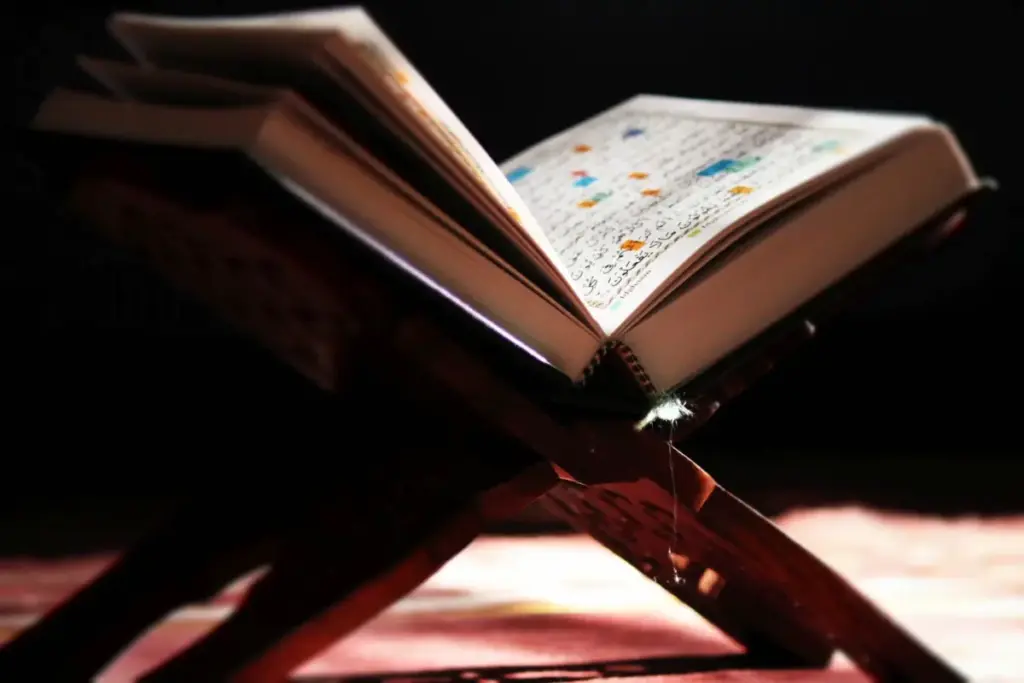
The question of the origins of the Quran and the manner in which it was conveyed to humanity has long been a subject of theological study, historical inquiry, and interfaith discussion. In a recent episode of his ongoing educational video series, The Eternal Challenge, prominent scholar Sheikh Sohaib Saeed confronts this central question head-on, offering a detailed scholarly analysis regarding who taught Prophet Muhammad the Quran and refuting long-standing historical allegations about the text’s human composition or external influences.

Broadcasted as part of a deep-dive exploration into the miraculous nature and authenticity of Islam’s holy scripture, the episode addresses various claims historically leveled against the Prophet Muhammad. Among these allegations are assertions that the Prophet was secretly tutored by human clergymen, religious scholars of previous traditions, or that he merely compiled and quoted material from earlier scriptures. Drawing upon traditional Islamic scholarship, historical context, and logical analysis, Sheikh Sohaib systematically dismantles these claims, presenting a comprehensive defense of the divine revelation received by the Prophet.
The discussion featured in the video is part of a broader analytical framework established by the Eternal Challenge series, which aims to examine the Quran not only as a religious text of profound spiritual guidance but also as a linguistic, historical, and intellectual phenomenon that challenged contemporary literary giants of 7th-century Arabia. By scrutinizing the socio-historical reality of the Arabian Peninsula during the advent of Islam, the series highlights the impossibility of a historically unlettered individual—commonly referred to in Islamic tradition as Al-Nabi Al-Ummi—producing a text of such unmatched legal, moral, and literary sophistication without divine intervention.

Central to Sheikh Sohaib’s presentation in this episode is the theological and historical examination of prophecies embedded within the Quranic text. Prophecy, as defined within classical theological discourse and highlighted in the video, is not merely an educated guess, a wise prediction, or a stroke of sociological foresight based on current trends. Rather, it represents definitive, foretold news concerning future events that are entirely beyond human calculation or anticipation at the time of their announcement.
In the context of the Quran, these prophecies serve as one of the most vital evidentiary proofs for the truthfulness of the prophetic mission. Throughout history, sacred scriptures and messengers have often pointed to verifiable predictions of future occurrences as a hallmark of divine authorization. Sheikh Sohaib emphasizes that the fulfillment of specific historical events foretold in the Quran adds a layer of objective verification that transcends subjective spiritual experience, appealing directly to the intellect of the reader or listener.

The exploration of these themes builds upon a rich foundation laid in previous installments of the Eternal Challenge series, which have sought to answer fundamental questions about the nature of the Quran and its relationship with the Prophet Muhammad. Earlier episodes in the series have systematically addressed introductory concepts, such as defining the precise nature of the Quran as an uncreated divine speech, examining the dynamic relationship between the Prophet and the Book of Allah, and exploring whether the Prophet Muhammad played an active role in authoring the text.
In discussions such as the episode titled "The Prophet Didn’t Make the Quran… Rather, the Quran Made Him," the series argues that the character, spiritual fortitude, and worldview of Prophet Muhammad were molded and elevated by the continuous descent of the revelation, rather than the Prophet acting as a conscious literary creator of the scripture. This perspective counters externalist theories of Orientalist and skeptical scholarship by grounding the text in the psychological and spiritual reality of the prophetic experience as recorded by contemporary witnesses and early historical records.
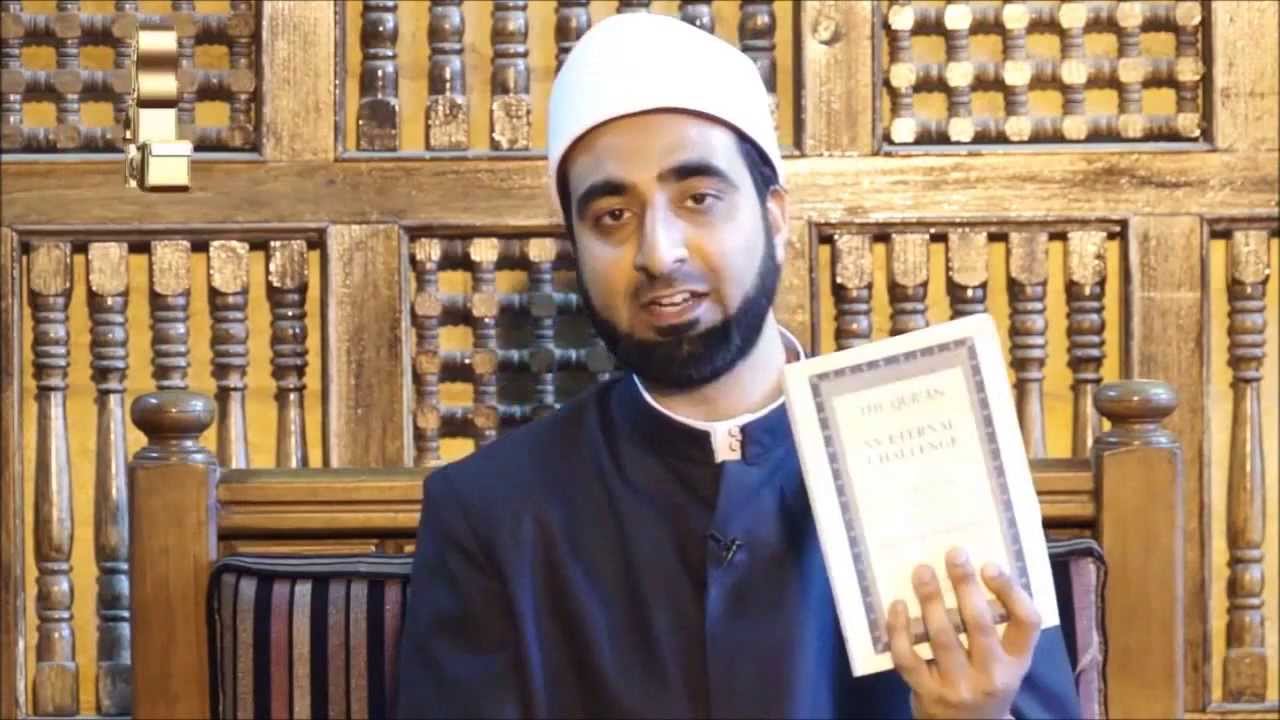
The ongoing series hosted by Sheikh Sohaib Saeed continues to draw significant attention from students of Islamic knowledge, researchers, and general audiences seeking sophisticated yet accessible responses to complex theological questions. By utilizing modern digital platforms, including dedicated educational channels and social media outreach via the Tafsir Doctor initiative, the program bridges traditional scholarship with contemporary mediums of communication.
As debates concerning the historical origins of religious texts continue to populate academic and public forums, presentations like those offered in The Eternal Challenge provide a structured defense of traditional Islamic doctrines while engaging directly with critical historical arguments. Through careful textual analysis, logical deductions, and a thorough examination of prophetic markers within the Quran, the series reinforces the traditional stance that the scripture stands alone as a unique divine communication, entirely independent of human tutoring or historical plagiarism.