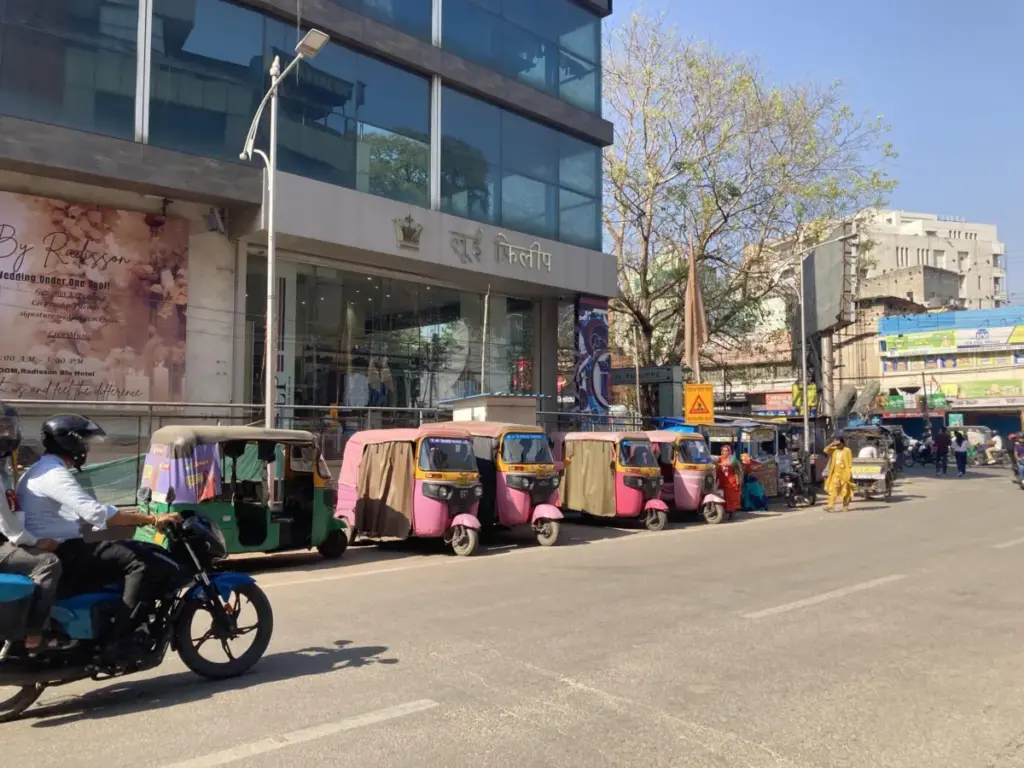
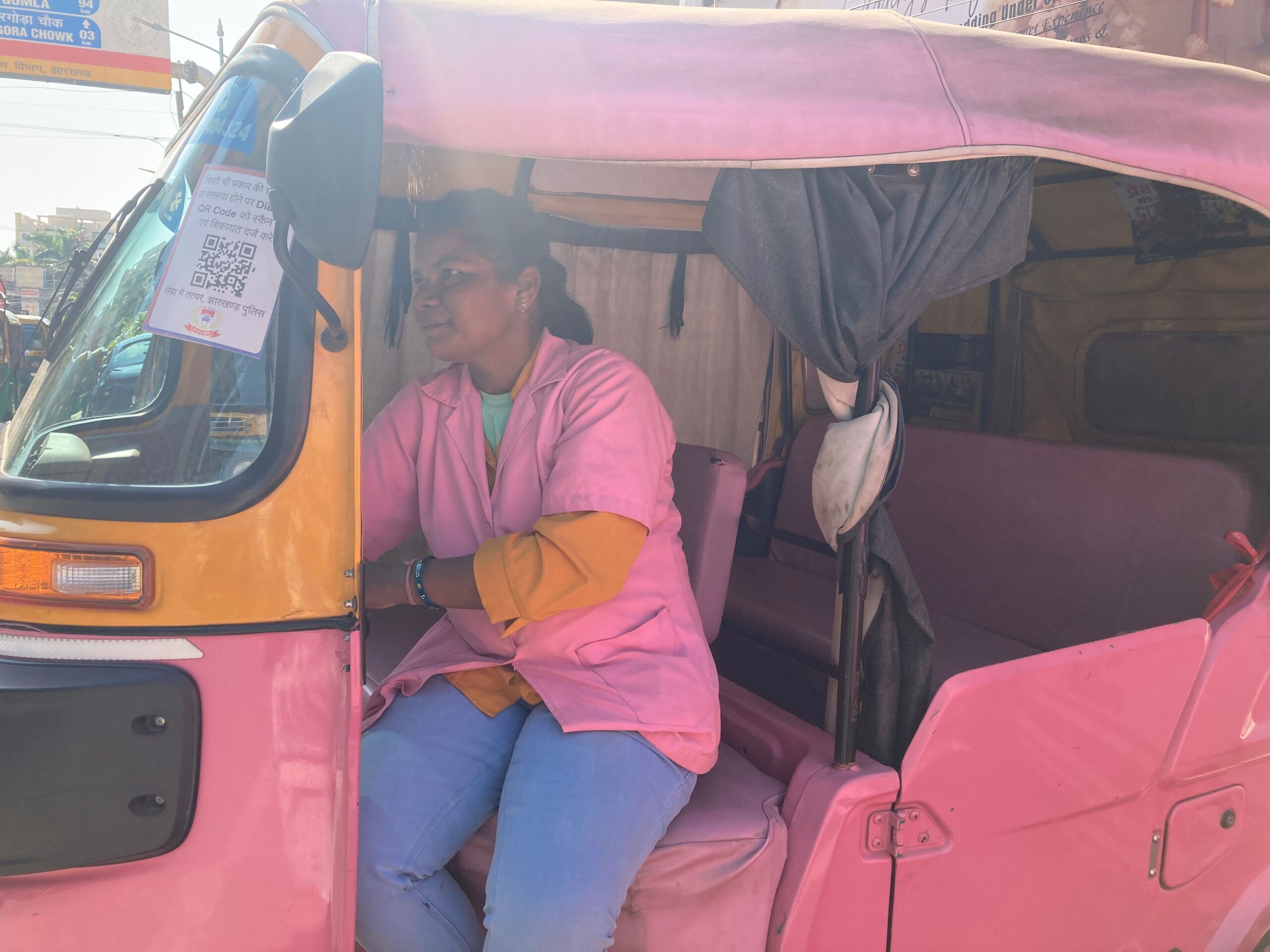
Ranchi: Suman Devi watched the camera lens point toward her vibrant pink auto, a splash of brilliant color against the drab, dusty backdrop of the city street. People often come here to click pictures, she noted, because the bright hue fascinates them and makes for a striking photograph. Yet, very few of those onlookers ever bother to understand the deeper struggles, the daily humiliation, and the relentless resilience of the women who sit behind the steering wheels.
For the women operating Ranchi’s pink auto fleet, the vehicle is far more than a mode of transport or a novelty for passersby. It is an instrument of survival, an anchor of independence, and, for some, a vehicle of liberation from abusive pasts. But twelve years after the scheme was first rolled out with grand promises of empowerment and security, these women find themselves navigating a terrain defined by government apathy, daily harassment, and a striking lack of basic infrastructure.
The pink auto scheme was originally launched across Jharkhand in 2013 in the wake of the nationwide outrage over the Nirbhaya case. It was conceived as a targeted intervention to address women’s safety concerns in urban public transit while simultaneously providing marginalized women with a steady source of livelihood. The initiative was equipped with modern safety features, including panic buttons and a Global Positioning System (GPS), designed to give both drivers and passengers absolute peace of mind.
Initially, the government rolled out two hundred vehicles. However, when only a fraction of those autos were claimed by female applicants, officials pivoted and began appointing men to drive the remaining vehicles. Today, the city of Ranchi is left with approximately forty pink autos, and by the accounts of the women who drive them, the situation has barely changed in over a decade.
Walking through the designated areas where these drivers wait for passengers, the neglect is immediately apparent. The drivers report a complete absence of basic facilities. Their designated auto stand is nothing more than an open patch of land running alongside a busy road, strewn with litter and entirely devoid of shade. There is no protective shelter, no overhead lighting for evening shifts, and not even a simple bench to rest on during long hours between fares.

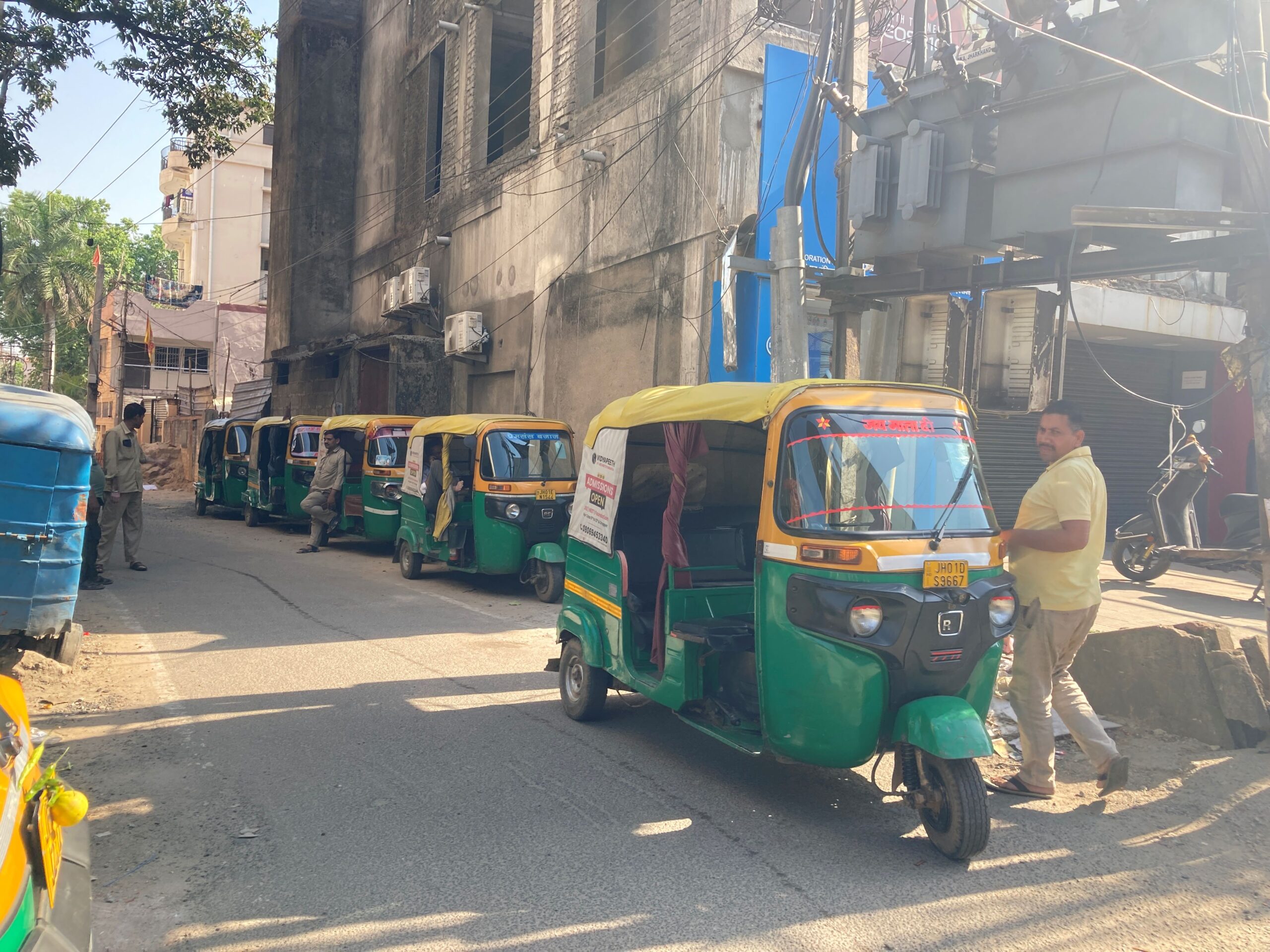
Worse still, the drivers are subjected to constant displacement. Whenever a VIP motorcade passes through the area, the women are summarily pushed out and ordered to relocate their vehicles, pushed to the margins of the very streets they are licensed to navigate. In stark contrast, male auto drivers enjoy properly designated lanes, structured stands, and institutional recognition.
"We sit here in the sun and rain," said Reena, capturing the bleak reality of their daily routine while enduring the harsh elements without even a roof overhead.
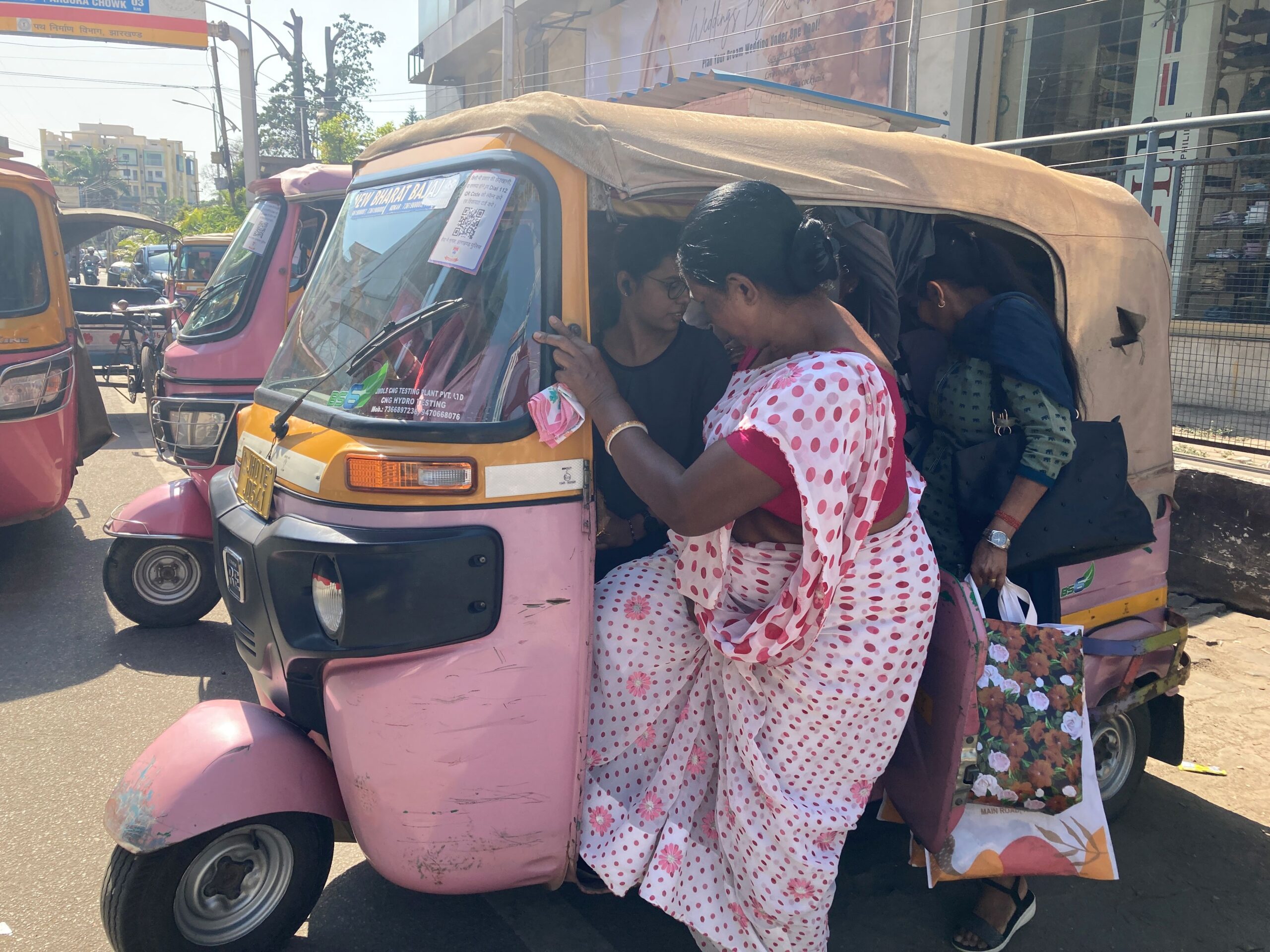
Despite the systemic neglect and professional hurdles faced by the drivers, women commuters in Ranchi express an overwhelming sense of relief and security when traveling in these pink autos. For many female students and working professionals navigating the city, the vehicles represent a rare sanctuary in an otherwise intimidating public transport ecosystem.
Kiran Tirkey, a young college student in the city, explained that she deliberately prefers traveling with women drivers, especially after dark. She experiences a profound sense of ease when surrounded exclusively by other women, noting a deep-seated aversion to being trapped in a closed, confined space with unknown men. The fear of being touched inappropriately, or of an auto intentionally taking a rogue, unsafe route, is an everyday reality for many women in the city.
"My parents feel relieved when I travel with a woman driver," Tirkey said, highlighting the immense psychological comfort the scheme provides to families.
Her sentiments are echoed by Shabana Perveen, a frequent commuter who stated that she would always choose to share an auto with women because it makes her feel fundamentally comfortable and protected during her daily transit.
This reliance on safe transport options comes against a backdrop of deeply concerning safety statistics in the region. According to recent police data, twenty-two rape cases were reported in March 2025 alone, underscoring the severe safety crisis women continue to face across the city. Against this grim statistical reality, the pink autos serve as a vital lifeline for female mobility.
Yet, while commuters find refuge within the pink vehicles, the drivers themselves face a relentless barrage of harassment from male operators on the road. The professional environment is fraught with hostility, direct competition, and economic sabotage.
"Our income has gone down. It has become difficult to run a household," said thirty-five-year-old Shobha Kindo. She explained that male drivers frequently intercept and siphon away their customers, creating an aggressive working environment. "At work we deal with them, and at home we deal with unemployed, drunk husbands. Some women also choose male autos because they feel jealous that we earn."
For Kindo and her peers, the struggle is multifaceted, extending from the hostile commercial rivalry on the streets to complex domestic realities where their financial independence is met with friction rather than celebration.
Intimidation from male counterparts, however, has done little to break the spirit of seasoned drivers who have spent years carving out a space for themselves in a male-dominated profession. Suman Devi reflected on the daily psychological games played by male drivers attempting to establish dominance on the road.
"I am not afraid of the men. I have been dealing with them for ten years," Devi said. "They try to make us feel small, but they are really afraid that we will take their jobs. As a widow, I raised my children alone. I know how to face bullies."
Among the myriad challenges these women face on a daily basis, perhaps the most pressing and degrading is the absolute lack of sanitation facilities. For drivers who spend grueling hours on the road, the absence of accessible restrooms creates an untenable physical burden.
"It has been twelve years, and the government has not built a single toilet for us," Reena said.
Left with no viable alternatives, the drivers are frequently forced to use nearby bushes when nature calls. Ironically, a public washroom does exist near their operational area, but it remains permanently locked. According to the drivers, the facility was opened only once—on the exact day it was officially inaugurated—and has stayed shuttered ever since, a stark monument to bureaucratic neglect.
Dinesh Soni, president of the Jharkhand Pradesh CNG Auto Chalak Association, noted that the union has repeatedly written to local authorities and municipal bodies to demand basic infrastructure for the workers.
"We have raised the demand for a clean toilet, but have never received any response. The government does not listen. We are paying toll tax, but for what?" Soni asked, expressing deep frustration over the authorities’ persistent indifference. The association has even appealed directly to the chief minister’s office, yet those letters have likewise vanished into a void of official silence.
Unlike in states like Tamil Nadu, where women auto drivers are organized under structured cooperative unions that can collectively bargain for their rights and welfare, the women operating in Ranchi largely work in isolation.
"We do not work under any union. We bought our own autos and drive independently. Had we been in a union, we would have put up our demands. We have complained to reporters, to police, and to officials, but nothing changes," said Gudia, a veteran driver who has navigated Ranchi’s streets for more than a decade. She added that no non-governmental organizations have stepped forward to champion their cause, leaving most of the women entirely unaware of formal legal rights or accessible public grievance redressal platforms.
Gudia’s journey into the profession was marked by domestic resistance before transforming into a story of quiet triumph. She recalled how her husband initially hesitated to let her enter the transport sector, fearing societal judgment and the hardships of the job. However, she stood her ground, insisting on financial self-sufficiency. Today, her earnings directly fund her daughter’s education at an English-medium boarding school.
"I miss her every minute, but I want a better life for her. I walked so that my daughter could run," Gudia said, her voice reflecting the deep sacrifices underpinning her daily labor.
Many of her colleagues at the auto stand share similar backgrounds of profound hardship. Several have transitioned into driving after escaping abusive domestic relationships, low-paying informal jobs, or simply out of an urgent, unyielding need to survive and feed their families.
Despite the structural abandonment, the daily harassment, and the physical toll of operating without basic amenities, the drivers refuse to surrender their hard-won autonomy. When asked what concrete measures they would demand if given a platform to speak directly to policymakers, their requests remain remarkably modest and practical. They ask for permanent, designated auto stands with proper shelter, clean and accessible public washrooms, legal protection against harassment by male drivers, and official recognition or modest financial support from the state government.
"We do not want favors," Reena emphasized. "We just want basic facilities, a proper space to park, and an open public washroom."